

Start with the format, not a promise
Shopping for a body moisturizer can feel like translating a shelf full of near-identical claims. Begin with the format and directions instead of treating words such as nourishing, intensive, or barrier-supporting as proof of a particular result. Lotions, creams, and ointments differ in texture and in their balance of water and oil. The American Academy of Dermatology (AAD) describes creams and ointments as generally more suitable for dry skin than lighter lotions, while the choice still depends on the area, personal preferences, and how a product feels in use.
This is general shopping information, not an assessment of a skin condition. Dryness can have many causes, and an article cannot determine whether a product suits an individual. The useful decision is narrower: which labeled format seems practical for the routine you want, and does the maker provide clear ingredient information and directions? Her Glamness describes listed specifications rather than implying staff tried a moisturizer. The product-testing box states the publisher's testing approach and makes the limitation clear.
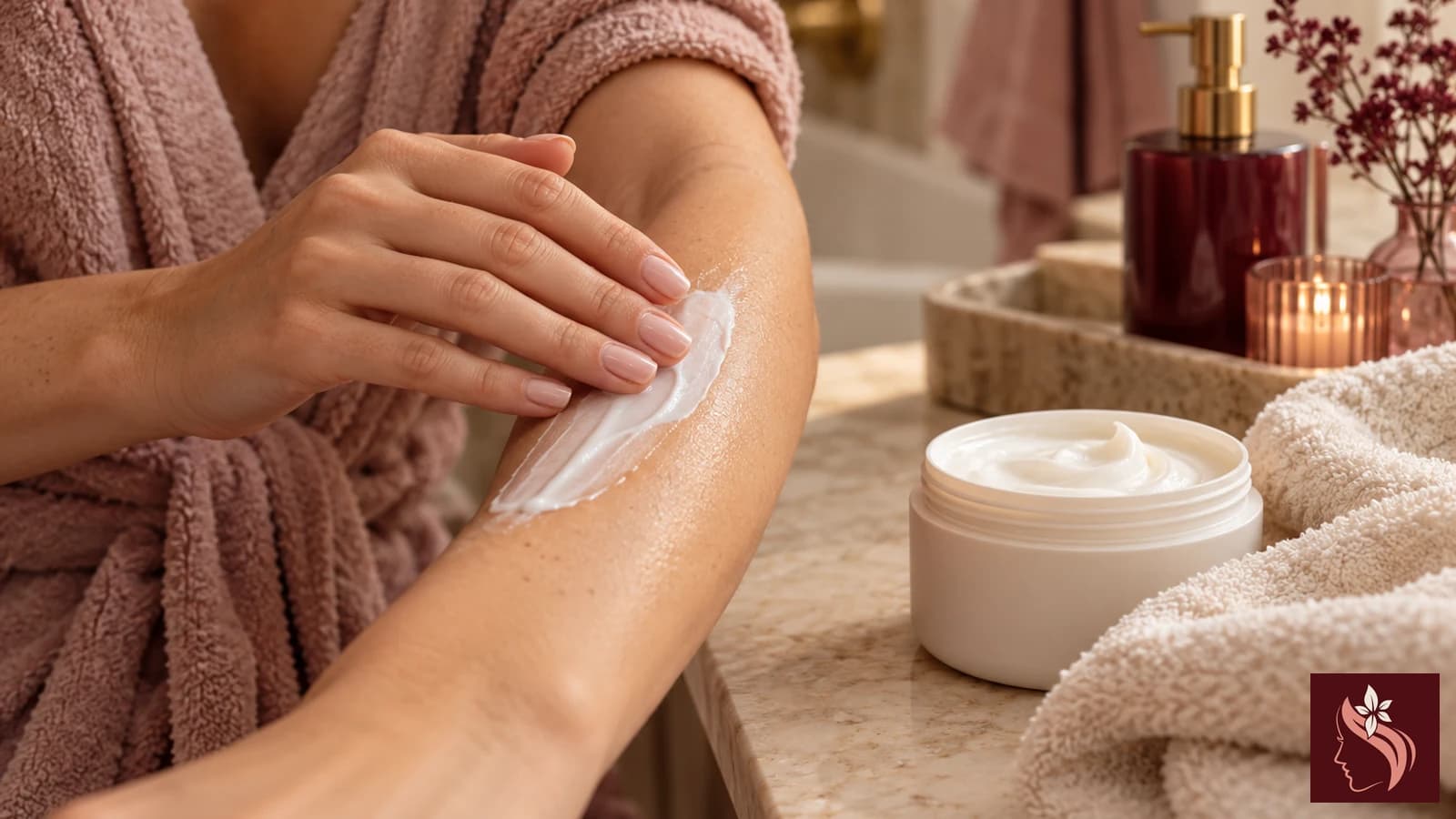
Lotion, cream, and ointment
A lotion is often easier to spread over a large area and may feel lighter. A cream tends to be thicker, and an ointment is usually the most occlusive-feeling format of the three. These broad descriptions do not guarantee that every lotion, cream, or ointment from every brand will feel alike. Formulas vary. A pump bottle can contain a cream, and a jar can contain a lighter formula; packaging alone does not define texture or composition.
AAD public guidance suggests cream or ointment for dry skin and lists common moisturizer ingredients such as glycerin, dimethicone, hyaluronic acid, mineral oil, and petrolatum. That is a shopping starting point, not an endorsement of every product containing a named ingredient. If texture matters, inspect the product description, ingredient list, package format, and directions together. A product that feels unpleasant or is difficult to apply consistently may not fit your routine, regardless of an abstract claim that one format is always best.
Sources: aad.org
Read fragrance language carefully
Fragrance is a useful comparison field if you prefer an unscented routine or want to avoid added scent. AAD distinguishes fragrance-free from unscented: an unscented product can still use ingredients to mask an odor. Read the full ingredient list and exact marketing term rather than assuming the words are interchangeable. If a retailer offers a fragrance-free filter, use it as a convenience and verify the individual product listing because filters and formulas can change.
A fragrance-free label does not mean a product will suit everyone or cannot irritate. Botanical extracts, preservatives, and other ingredients may matter even when a product has little or no scent. For a personal reaction history, ask a qualified clinician to help choose a routine. Do not use a broad online ingredient list to diagnose an allergy or replace medical advice. A careful comparison records what the label says and leaves personal suitability as an individual question.
Sources: aad.org
Compare ingredients without turning them into treatment claims
Ingredient names help identify what a product contains, but they do not reveal the full formula, concentration, manufacturing quality, or how an individual will respond. Glycerin, petrolatum, dimethicone, and other familiar names may appear for different formulation reasons. A shopping article can explain a term and attribute a stated function to its maker; it should not promise to repair a condition, prevent a disease, or work for every skin type. Keep ingredient education separate from medical interpretation.
When comparing two listings, note the full ingredient statement, package size, format, fragrance wording, directions, and any warning. Some formulas contain ingredients a shopper may wish to discuss with a professional, particularly if they already have a clinician-directed routine. If a label is unavailable online, mark that detail unknown and check the package or ask the seller. Do not infer concentration from a marketing highlight, package color, or a reviewer's impression.
Choose a texture that fits your routine
A moisturizer works only as part of a routine someone can comfortably follow. Consider where you plan to use it, how quickly you want it to spread, whether you prefer a pump or tub, and when you can apply it after bathing. A thick product may suit a small dry-feeling area yet feel inconvenient over the entire body; a lighter product may be easier across a larger area. These are practical tradeoffs, not product outcomes established by this publication.
Climate and season can affect what texture feels comfortable. Someone might prefer a lighter lotion on a humid day and a richer cream during a dry winter, but this pattern is individual. Follow package instructions when introducing a cosmetic, and stop if it causes a concerning reaction. A label's patch-test instructions are not the same as a clinician-supervised allergy evaluation. Persistent discomfort warrants professional guidance rather than more experimentation based on a shopping article.

Follow directions and keep the label
The AAD advises applying moisturizer after bathing while skin is still damp as a general dry-skin care habit. That public guidance does not override the directions on the exact product, a prescription, or instructions from a dermatologist. Use a clean hand or the applicator recommended by the maker. Keep the package so you can check the complete ingredients if you later need to discuss a reaction with a professional.
The amount and frequency should follow the label and a clinician's advice. Do not use a cosmetic as a substitute for prescribed treatment. If a moisturizer contains an active ingredient or carries a therapeutic claim, verify how the product is regulated and use it only as directed. A guide should not suggest layering products in a way that conflicts with medical instructions. If uncertain, take the label or product page to a qualified professional rather than designing a treatment plan from search snippets.
Sources: aad.org
Build a useful comparison
A simple table prevents a polished product page from becoming an unsupported verdict. Use columns for brand and name, package size, lotion/cream/ointment format, fragrance language, whether the complete ingredient list is available, directions, and current merchant price. Mark details that could not be verified. For products sold in more than one country, check whether the exact variant and ingredient declaration apply to the reader's market; packaging and formulas may differ or change over time.
Explain the table's limits beside it. A listed ingredient does not show that editors measured its concentration. A fragrance-free label does not prove universal suitability. A rich texture does not prove long-lasting relief. The purpose is to help readers inspect available information, not simulate a lab test. Link to the merchant's current page for current price, package details, availability, and directions because those can change after editorial review.
Know when to ask for individual guidance
AAD advises contacting a dermatologist when dry skin continues despite basic care, or when an applied product burns, stings, or irritates. These examples mark the boundary between general shopping guidance and a personal concern; they are not a diagnostic checklist. Persistent or severe symptoms, a known skin condition, allergy history, pregnancy-related questions, or a prescribed routine are reasons to ask an appropriate professional rather than relying on a brand comparison.
Do not use an editorial review to decide that a rash, itch, or skin change is harmless. A qualified professional can consider personal history, symptoms, and examination details that a page cannot see. If you already have care instructions, follow them. You can bring practical questions—such as whether a fragrance-free cream format exists—to an appointment without asking an article to recommend a treatment.
Sources: aad.org
A practical decision checklist
Before comparing products, decide what information would actually change your choice. If you dislike a heavy finish, format and texture matter; if scent is the concern, check the exact fragrance statement and full ingredient list. A package that is difficult to open or apply can also make a routine less practical. Write those preferences down before opening affiliate pages, then compare only what the current listings disclose. This prevents a long ingredient list or a polished claim from distracting from the practical question you wanted to answer.
Keep a record of the product name, market, variant, and date checked. A manufacturer can update a formula, a retailer can keep an old image, and a regional label may differ from a U.S. package. If a product page lacks the complete ingredients, note the gap and ask the merchant rather than copying a third-party database as if it were authoritative. Price should be checked at checkout, including size and shipping. A comparison that openly marks unknown details is more useful than a confident ranking built from assumptions.

Conclusion
For a general comparison, begin with format, fragrance wording, ingredient transparency, directions, package size, and the texture you can comfortably use. AAD guidance helps explain why cream or ointment formats are often suggested for dryness, but no format or ingredient is universally right. Verify the exact label and current merchant listing, especially across markets.
Keep the decision practical and the claim modest: a listing can tell you what a maker says a moisturizer contains and how it is used, while personal suitability belongs to the shopper and, when needed, their clinician. Seek qualified advice for persistent symptoms, known conditions, or irritation. This specification-based article is not a diagnosis or a report of hands-on testing.
Frequently Asked Questions
Is cream or lotion better for dry body skin?
AAD guidance generally points to cream or ointment formats for dry skin, but the most practical texture depends on preference, area, directions, and individual circumstances. Ask a dermatologist about persistent dryness.
Does fragrance-free mean hypoallergenic?
No. Fragrance-free describes scent-related formulation language; it does not establish that a product cannot cause a reaction or suits everyone. Read the ingredients and consult a clinician about a reaction history.
Should I apply moisturizer after a shower?
AAD guidance recommends applying moisturizer soon after bathing while skin is damp as a general habit. Follow the exact product label and clinician instructions.
When should I ask a dermatologist about dryness?
Ask when dryness persists despite basic care or a product burns, stings, or irritates, and whenever a known condition needs individual assessment.