

Format names describe a starting point, not a result
Gel, cream, oil, and balm are familiar cleanser words, but the name on the front of a package cannot tell you exactly how a formula will feel or what it will remove. A gel can lather or remain low-foam; a cream cleanser may rinse away or be designed for a different removal method; an oil or balm can emulsify or leave a film depending on the formula. The most useful comparison starts with the manufacturer’s exact use directions, the full ingredient list, the package size, and any warnings. Then describe the texture as a product-specific attribute rather than a prediction about everyone’s skin.
The US FDA describes most cleansing and beautifying products as cosmetics, while some products can also be drugs depending on intended use and claims. A cleanser marketed to treat a condition or make a structure/function claim may have a different regulatory context from a product that simply cleanses. Avoid repeating treatment claims unless the exact label supports them and the article has qualified review. In this guide, the formats are compared as shopping and label-reading categories. They are not medical recommendations, a ranking of efficacy, or proof that one cleanser suits a given skin type.
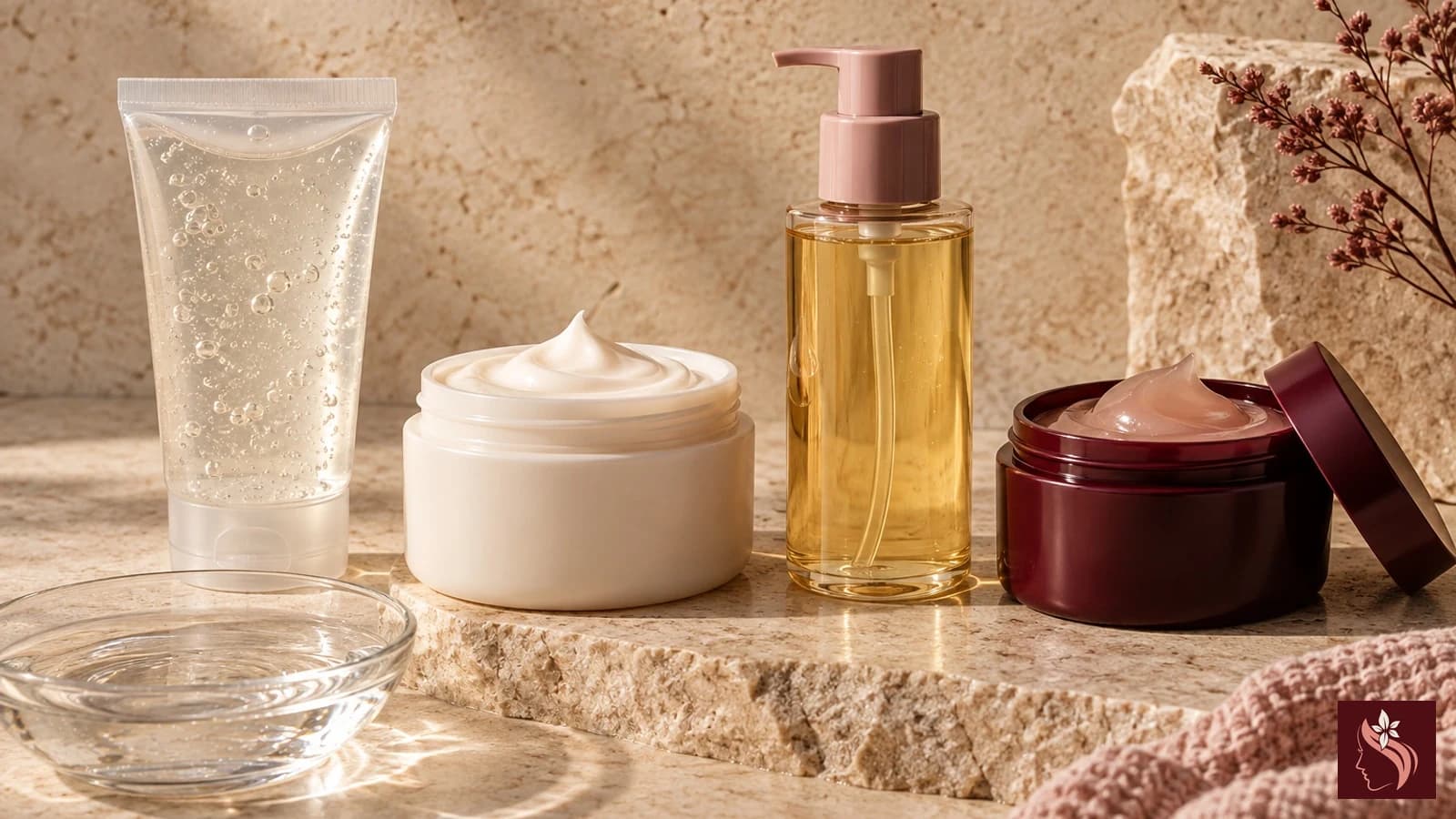
Gel cleansers: inspect the instructions and finish claims
A product sold as a gel cleanser may be clear or opaque, foaming or non-foaming, fragranced or fragrance-free, and intended for different areas. Record the exact product name, whether the label says to apply to wet skin, how long to massage, whether to rinse, and what the maker claims it removes. If the manufacturer markets an exfoliating or acne-directed cleanser, verify its active ingredient panel and intended use instead of treating it like an ordinary cosmetic gel. Do not infer that a gel is automatically designed for oily skin or that foam proves deep cleansing.
For a fair comparison, describe observable packaging and the company’s label language, then separate those from editorial interpretation. If a formula contains a drug active, use the product’s Drug Facts directions. If it is a cosmetic and lists only cosmetic ingredients, keep the description within cleansing and appearance language supported by the listing. Many product pages include an audience suggestion such as ‘normal to oily’; report that as the maker’s intended consumer, not as an established fit guarantee. Readers with irritation, a diagnosed condition, or prescription products should ask their clinician about product selection.
Cream cleansers: note rinse-off versus leave-on instructions
Cream describes a texture, not a universal removal method. One cream cleanser may be intended for use on damp skin and rinsed with water; another product may direct a user to wipe it away or use a cloth. The exact label decides the method. Check whether makeup removal is a stated purpose, whether the product is intended for face or body, and whether the brand provides a specific amount or application area. Do not assume a cream cleanser has removed sunscreen or long-wear makeup simply because the skin feels soft after use.
Compare the claims and ingredients without drawing a diagnosis from them. A moisturizing ingredient in the list does not prove that every user will experience hydration, and a ‘gentle’ phrase is still a manufacturer claim. For a label table, note the product format, directions, rinse or wipe method, intended skin type if the brand states one, full ingredient list, fragrance statement, size, country version, and check date. If the product contains both cosmetic and drug claims, explain that the categories can overlap and review the relevant label. Keep a useful note where data are missing rather than borrowing details from a similarly named product.
Oil cleansers: do not judge by the word oil alone
Oil cleanser can refer to a standalone oil, an oil-to-milk emulsion, or a formula that changes texture with water. The directions may ask the user to start with dry hands and skin, add water to emulsify, and rinse, but that sequence cannot be assumed for every bottle. Read the exact listing. For example, CeraVe’s US Hydrating Foaming Oil Cleanser listing checked for this article describes a product that transforms from oil to a soft lathering foam, instructs users to wet skin, gently massage, rinse, and pat dry, and lists several formula ingredients. That is a company page description, not an independent wear or performance test.
The same listing asks readers to consult the package for the most up-to-date ingredient list because formulations can change. This is a useful reminder to record the check date and market. An oil in an ingredient list does not automatically mean a cleanser is suitable or unsuitable for a person, and the word oil does not prove that it leaves residue. Those observations require a direct test of the exact product, on a documented method, or a source that can be accurately attributed. Generated lifestyle imagery must not depict a branded container or serve as product evidence.
Sources: cerave.com; cerave.com
Balm cleansers: check how the balm is removed
A cleansing balm is often a solid or semi-solid product that softens as it is spread, but formulas and removal directions vary. Check whether the maker instructs you to apply it to dry skin, massage for a specified period, add water, rinse, or follow with a second cleanser. If a double-cleanse routine is suggested, note whether that is mandatory label direction or an optional brand recommendation. Do not claim that all balm cleansers remove waterproof mascara, sunscreen, or every makeup formula unless a source for that exact item says so and the test method is clear.
Package design also matters to shoppers: jar, tube, or pump; included spatula; size; and any storage or hygiene instruction. Report these observable details only when they appear on the page or package. The article should avoid turning packaging into safety assurance. A jar does not automatically make a formula unsafe, and a pump does not prove sterility. If the product has a warning about contact with eyes or another area, repeat the exact warning and direct the reader to the full label. Skin conditions and eye concerns require qualified advice rather than a generic balm-versus-gel rule.
A useful format comparison worksheet
Use one row per exact cleanser variant. Capture name, format as the maker describes it, target area, claimed skin type, ingredients, fragrance wording, directions on dry or wet skin, rinse or removal method, makeup claims, package size, warnings, source URL, market, and date checked. Add an editorial-observation column only if the staff actually handled and tested the product. A non-tested record should say specification-based. If the page has no complete ingredient list, mark it unavailable and seek the package image or manufacturer clarification; do not fill it in from a reseller that might carry a different market version.
A reader’s decision can then focus on practical preference: a familiar texture, a rinse method they will use consistently, package accessibility, ingredient information, and current cost. The maker’s skin-type suggestions can be listed with attribution, but should not be converted into a guarantee. If comparing cost per ounce, calculate it from the current selected size and current listed price, state the date, and send readers to the merchant for live pricing. Coupons and shipping rules can change separately from the product details, so each offer needs its own current check.
Sources: cerave.com; cerave.com; fda.gov
How to avoid over-cleansing or irritation claims
The AAD’s general skin-care guidance says to cleanse before applying products and before bed and cautions that excessive washing can contribute to irritation. That guidance is not a personal wash schedule for everyone, and the article should not diagnose a reader who feels tightness or redness after cleansing. Product directions, a dermatologist’s instructions, climate, activity, makeup use, and individual needs vary. If a cleanser causes a concerning reaction, stop using it and ask a qualified professional; do not tell the reader to ‘push through’ stinging because a product is popular.
When the phrase ‘non-comedogenic’ appears, attribute it to the maker and do not promise that no person will experience clogged pores. The same rule applies to ‘hypoallergenic,’ ‘for sensitive skin,’ and ‘barrier-friendly’ claims. Keep claim language precise, link to the manufacturer’s page, and explain if Her Glamness did not test the formula. The testing statement box distinguishes the publisher’s process from the evidence basis of the article. No formula comparison here should imply that the team tried a cleanser unless there is a complete exact-variant testing record.
Sources: aad.org; aad.org; fda.gov

Conclusion
Gel, cream, oil, and balm labels are useful ways to begin comparing cleansers, but they do not predict one universal texture, removal method, or skin response. Check the exact manufacturer instructions, where the product can be used, full ingredient and drug panels, claim wording, package size, and market. Record missing information instead of guessing, and treat company skin-type recommendations as attributed statements rather than guarantees.
Choose the format whose directions and removal steps fit your routine and preferences, and follow any clinician guidance. For named products, the current package can differ from an older webpage, so recheck ingredients and instructions before publication and purchase. If a skin concern or reaction is involved, ask a qualified professional. This is a specification-based comparison framework; it is not a cleanser test, diagnosis, or promise of a particular result.
Sources: cerave.com; fda.gov; aad.org
Frequently Asked Questions
Is a gel cleanser better than a cream cleanser?
There is no universal winner. Compare the exact formula, label directions, target area, ingredients, and removal method, then consider your preferences.
Do all oil cleansers start on dry skin?
No. Directions vary. The cited CeraVe oil-to-foam cleanser instructs users to wet skin, massage, rinse, and pat dry; follow the exact product label.
Can a balm cleanser remove sunscreen?
That claim should be checked for the exact product. Do not assume every balm removes every sunscreen or makeup formula.
Does a foaming cleanser automatically dry the skin?
Foam alone does not establish a result. Formula and individual experience vary; check the directions and manufacturer information.
What should I record when comparing cleansers?
Record the exact variant, format, ingredients, directions, rinse method, size, market, warnings, source and check date. Mark unavailable fields rather than infer them.
How often should I wash my face?
General AAD guidance is not a personal schedule. Follow clinician instructions and product directions; seek professional advice for ongoing skin problems.
Sources
- fda.gov (checked 2026-10-28)
- fda.gov (checked 2026-10-28)
- fda.gov (checked 2026-10-28)
- aad.org (checked 2026-10-28)
- cerave.com (checked 2026-10-28)
- cerave.com (checked 2026-10-28)
- aad.org (checked 2026-10-28)