

Choose a format you can compare, not a skin-type promise
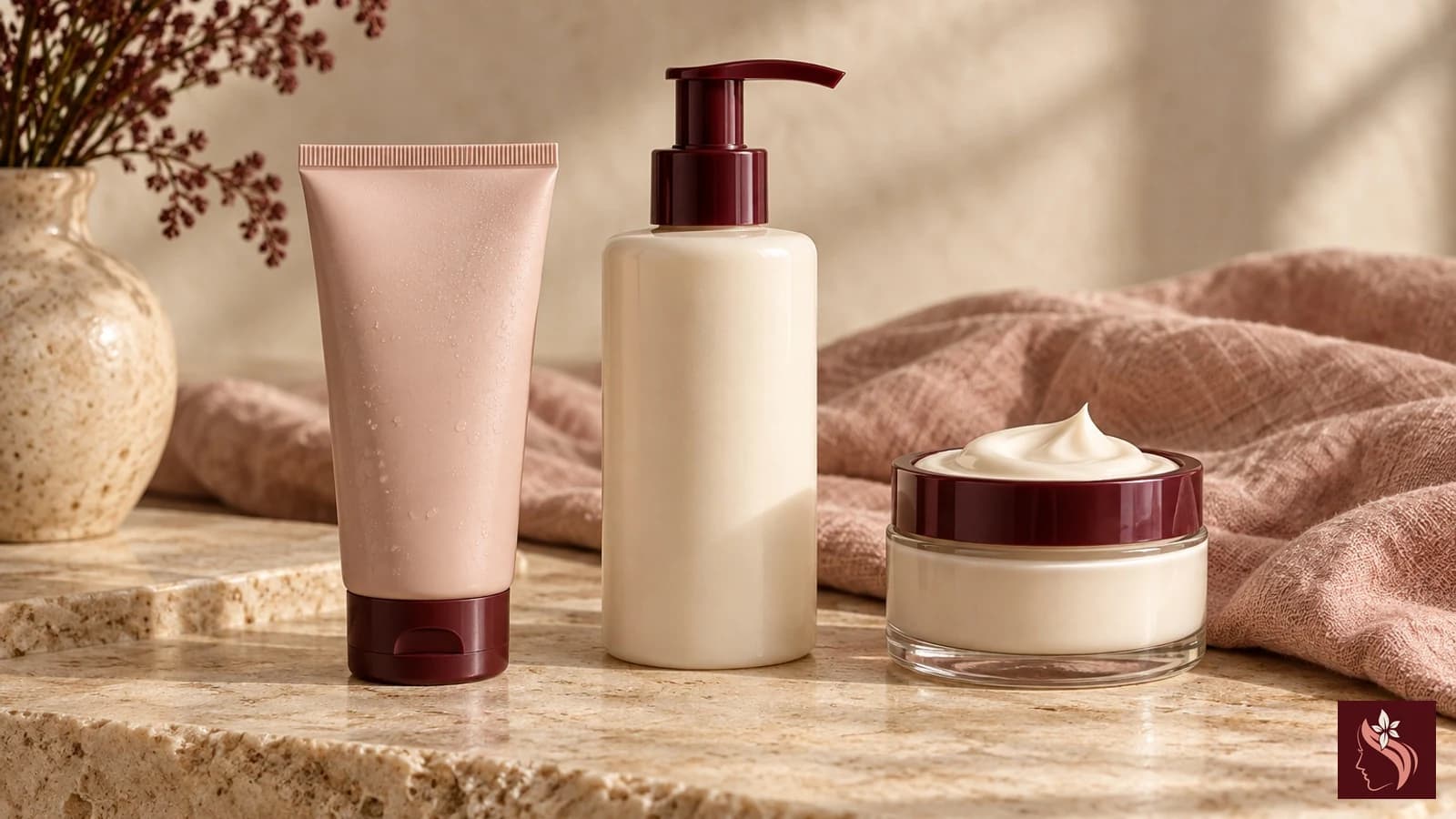
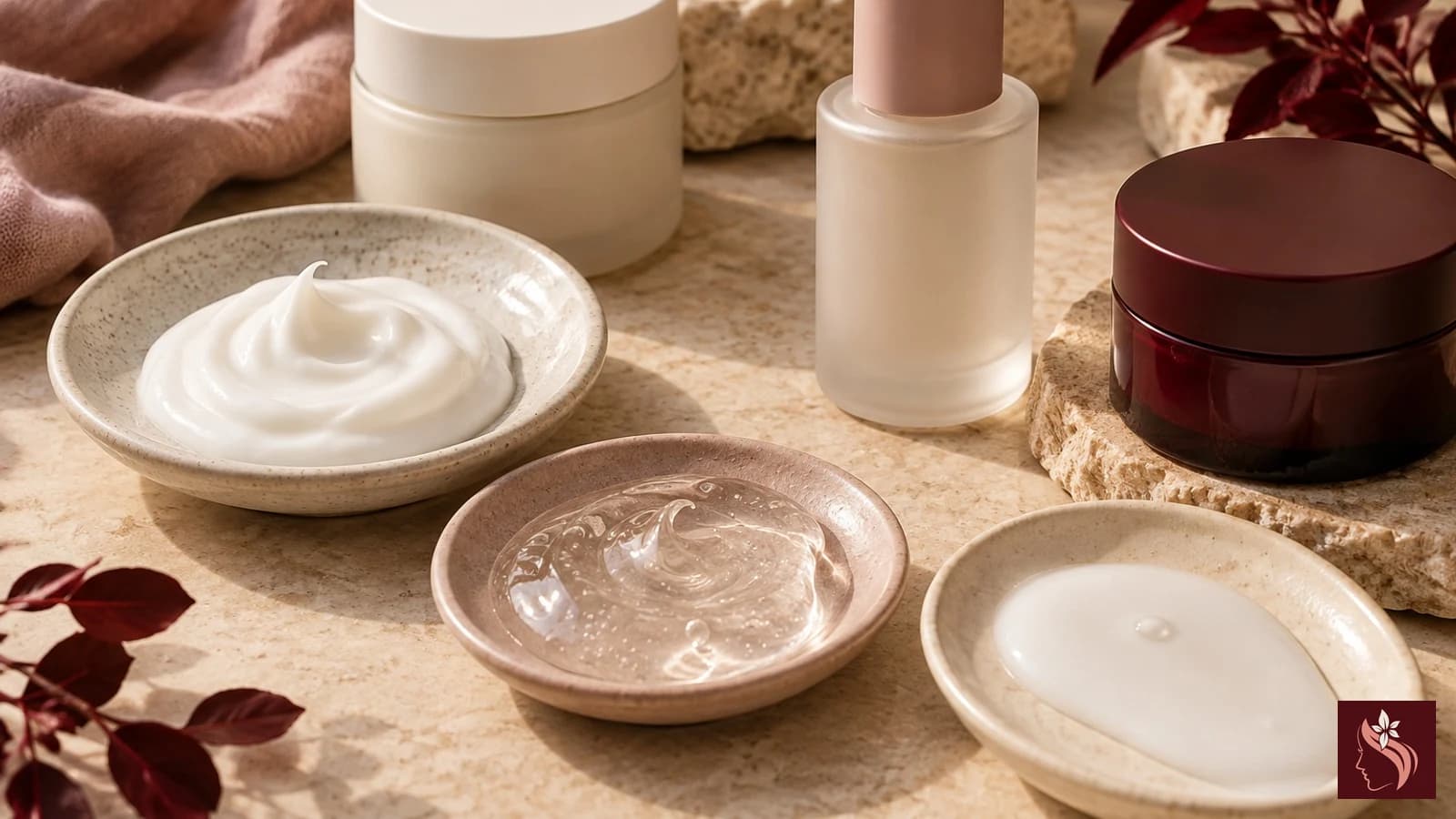
A face moisturizer can be sold as a gel, lotion, cream, or ointment, but those words describe a product format more than a guaranteed result. The American Academy of Dermatology explains that gels are often water-based and feel lighter, lotions sit between gels and creams, creams tend to be thicker with more oil, and ointments are the thickest. These are general descriptions, not a rule that every person with oily skin needs a gel or that every dry-feeling face needs an ointment. A useful choice begins with what the label says, what texture you prefer, and whether your clinician has given you a plan.
Avoid diagnosing your skin from an online quiz or a generated photo. Dryness, oiliness, irritation, and a medical condition are different things, and a reader may have more than one concern. For product comparison, record the exact product and variant, the maker’s stated audience, the ingredients, fragrance wording, texture, package size, intended area, directions, and date checked. Then identify whether those fields come from the manufacturer or from a hands-on editorial test. The maker’s ‘all skin types’ or ‘sensitive skin’ wording is an attributed claim, not a promise that everyone will have the same experience.
Sources: aad.org; cerave.com
Gels, lotions, creams, and ointments
A gel can appeal to someone who prefers a light, quick-spreading feel, while a richer cream or ointment may be preferred by someone seeking a thicker texture. The AAD describes these as broad characteristics and emphasizes there is no single moisturizer for every skin type. Product formulations vary, so the label and actual instructions matter more than category assumptions. If a product page describes a lightweight gel or rich cream, report that as the company’s wording. Do not independently promise that a given texture will hydrate for a stated duration unless the exact formula’s evidence supports it and the claim is reviewed.
CeraVe’s US PM Facial Moisturizing Lotion listing, checked October 28, 2026, calls the product a lightweight night cream, describes ceramides, hyaluronic acid, and niacinamide, and instructs application to the face and neck at night or as directed by a physician. It also warns that ingredients can change and directs buyers to the package. This is a helpful example of what to record: maker-described format, intended time, listed ingredients, face area, and the source-date. It does not establish that the product is the right choice for any particular reader or that Her Glamness has tested it.
Sources: aad.org; cerave.com
Read fragrance, ingredient, and claim language
A fragrance statement is a label field worth noting. AAD recommends fragrance-free products for dry skin in its guidance and cautions that ‘unscented’ products can include ingredients that mask odor. This is general educational context, not an allergy diagnosis. If a person knows an ingredient is a concern, they should read the complete package and ask their clinician or pharmacist if they need help interpreting it. Do not describe a product as allergy-proof or safe for sensitive skin based solely on an advertising badge.
Ingredient lists provide named components and, generally, relative order with regulatory exceptions. They do not provide the complete concentration, clinical result, or personal compatibility for each reader. FDA explains that cosmetic claims must be truthful and not misleading, and certain disease or structure/function claims can make a product a drug. When a moisturizer includes SPF or an acne-treatment claim, it may have OTC drug labeling as well as cosmetic information. Record the Drug Facts panel and directions; never hide drug warnings in an ingredient table or rewrite them as a casual skincare tip.
A simple field-by-field moisturizer comparison
A comparison table can capture exact name and variant, face or face-and-body use, texture as the maker states it, fragrance or unscented language, listed ingredients, package size, pump/jar/tube, directions, time of day, warnings, manufacturer URL, market, and date checked. Add a product-claim column with the brand’s exact phrasing and a source. If the article includes a hands-on texture note, document which variant was tested, when, by whom, how much was used, and what the observation can reasonably support. Otherwise mark the piece specification-based. If a field is absent, write ‘not stated’ rather than infer it from the product category.
Price should be checked at the merchant because the listing may change by date, promotion, country, or selected size. When readers compare value, calculate price per unit only from a current price and clearly stated net quantity, with the date and arithmetic. Do not present a price saved in the draft as a live or guaranteed amount. Affiliate disclosure should sit near a monetized link, but a commission does not establish product quality. Keep our selection logic transparent and avoid rankings based on a brand’s sponsored badges or review count alone.
Sources: aad.org; cerave.com; fda.gov
Use moisturizer directions and routine placement
Many moisturizers are designed to follow cleansing and any treatment, but exact directions can vary. The AAD’s general product order places medication or treatment after washing, then moisturizer and/or sunscreen. For a product with a specific time or area, follow that label. CeraVe’s cited PM lotion page says face and neck at night or as directed by a physician; do not transform that into daytime use or a twice-daily schedule. If a clinician prescribed a treatment, ask how the moisturizer fits into that plan instead of changing the sequence from a generic post.
The AAD’s dry-skin guidance recommends applying moisturizer soon after bathing while skin is damp; that is general advice for the situation described and not a requirement to apply every face moisturizer to wet skin. If a company gives another direction, consult the exact package. Avoid rubbing a product into a painful or inflamed area based on a routine article. If a reader has persistent cracking, a rash, swelling, or another significant concern, a dermatologist can assess whether a different treatment is needed. A shopping guide can link to authoritative advice, but it should not diagnose the condition or replace professional care.
Sources: aad.org; aad.org; cerave.com
How skin tone, age, and preference fit the guide
A moisturizer image can show varied skin tones, ages, and routines, but it cannot demonstrate suitability or performance. Use images as illustrative editorial photography, not evidence of a before-and-after effect. Text should avoid assuming that a product is necessary at a particular age or that one tone requires one texture. The AAD’s guidance discusses skin types in broad terms and recommends consulting a dermatologist for tailored advice. Her Glamness should translate this into a neutral comparison framework rather than a rigid skin-type-to-product table.
Practical considerations can be meaningful without overclaiming: a dispenser someone can open, package instructions they can read, a texture they prefer, a clear ingredient panel, and a price within their budget. Those are choice criteria, not clinical outcomes. If the product is sold in multiple regional formulas, record the market and link the appropriate product page. Do not promise that ‘non-comedogenic’ guarantees no breakouts or that a moisturizer will solve a medical concern. If the reader’s question is personal, direct them toward a qualified dermatologist or pharmacist.
A practical checklist before you buy
Before clicking through, confirm the product is a face moisturizer rather than a body formula unless the manufacturer expressly allows both. Confirm the exact name and size, texture, fragrance statement, complete ingredients, intended time and area, special warnings, and whether it includes SPF or another drug active. Open the seller link to see current price, shipping, market and availability. If the formula page says ingredients may change, use the package you receive as the final check. Save the source date in the article record so the editorial team knows when to recheck it.
If you already use prescribed treatment, have a diagnosed skin condition, a known allergy, or a past reaction, product selection deserves more than a category chart. A dermatologist or pharmacist can consider your personal context and the exact label. Do not start multiple new items at the same time based on a roundup; it makes it harder to identify which change mattered. AAD guidance on testing new cosmetic products can help readers understand a limited small-area test, but that test does not establish long-term safety or substitute for a medical patch test.
Sources: aad.org; aad.org; fda.gov
Conclusion
Choose a face moisturizer by comparing the exact product’s texture, label, fragrance language, ingredients, package size, directions, and market. Gels, lotions, creams, and ointments are useful format descriptions, not guaranteed matches for a diagnosis or skin type. Manufacturer examples should remain attributed and dated; current price and availability belong on the live merchant page.
Follow product and clinician instructions, and ask a qualified professional when a condition, allergy, medication, or reaction is part of the decision. Do not read personal suitability from a product badge, ingredient list, or editorial image. This guide is a practical specification-based way to compare options, not a medical assessment or product test.
Frequently Asked Questions
What is the difference between a gel, lotion, cream, and ointment?
They are broad texture/form descriptions. AAD describes gels as often lighter and water-based, lotions as intermediate, creams as thicker, and ointments as thickest; formulas still vary.
Should I choose moisturizer based on my skin type?
A label may state a target audience, but that is not a personal guarantee. A dermatologist can give tailored advice, especially when you have a condition or reaction.
Does fragrance-free mean the product cannot irritate me?
No. It is a label detail, not a guarantee against reactions. Read the full package and seek professional advice for known sensitivities.
When should I apply face moisturizer?
Follow the exact product directions. AAD gives a general sequence of treatment followed by moisturizer and/or sunscreen; prescriptions and package instructions take priority.
Can I use a body moisturizer on my face?
Check the manufacturer's intended areas and directions for the exact product. Do not assume a body formula is appropriate for facial use.
Do ingredient names prove a moisturizer will work for me?
No. Ingredient lists do not predict an individual result or reaction. They are one label source for comparison, not a personal suitability test.
Sources
- aad.org (checked 2026-10-28)
- aad.org (checked 2026-10-28)
- aad.org (checked 2026-10-28)
- fda.gov (checked 2026-10-28)
- fda.gov (checked 2026-10-28)
- fda.gov (checked 2026-10-28)
- aad.org (checked 2026-10-28)
- cerave.com (checked 2026-10-28)
- cerave.com (checked 2026-10-28)