
Build around your real fall calendar
A capsule wardrobe is a planning method, not a universal number of garments or a requirement to dress in one aesthetic. For fall 2026, begin with the places you will actually go: work, classes, errands, social events, outdoor walks, or travel. Note the temperatures and indoor heating you tend to encounter, how often laundry is available, and whether your days require a change of shoes or a more formal layer. A useful mini-wardrobe supports those needs with pieces that work together. It can be small or broad, colorful or restrained, new or already in your closet. The goal is to reduce outfit friction, not to buy a prescribed set.
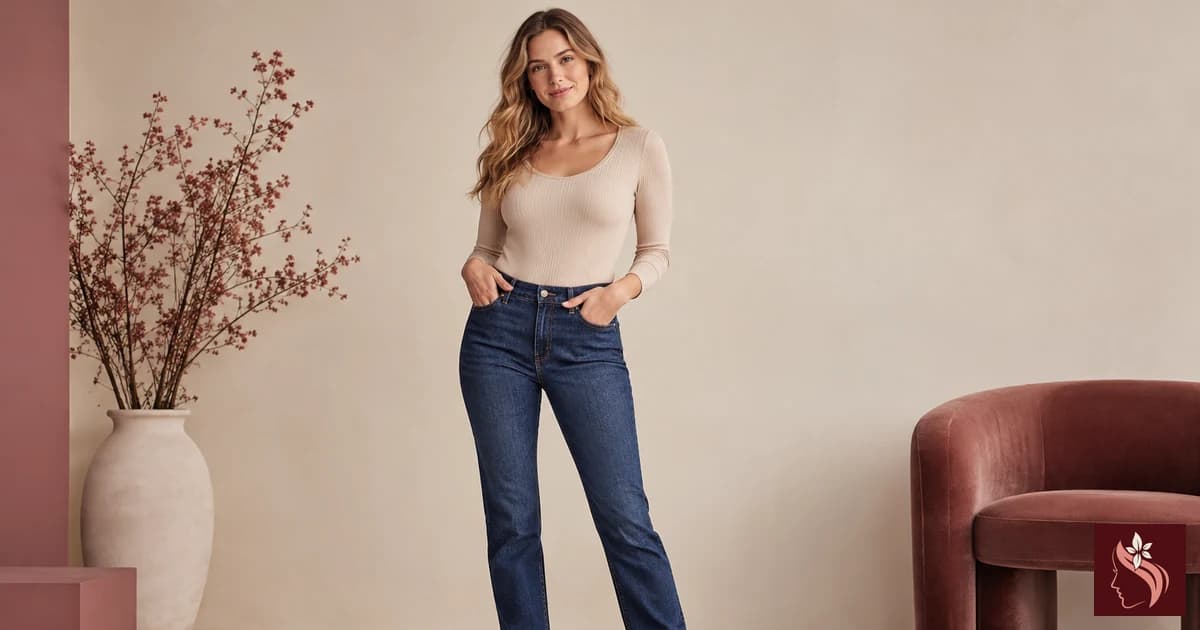
Separate a seasonal wardrobe from a trend report. This guide does not claim that one silhouette, color, or item is the must-have look of 2026. Instead, it uses adaptable outfit formulas and asks readers to verify current product information before purchasing. Start by identifying two or three colors you already like and pieces that feel comfortable across a full day. Her Glamness's palette shapes our editorial visuals; it does not mean readers need a cream, sand, dusty pink, or burgundy closet. Personal style, culture, climate, mobility, budget, and sensory comfort are all valid starting points.
Inventory what you already own before adding anything
Lay out the clothes you reach for in early autumn and group them by use: base tops, shirts, trousers, skirts or dresses, light layers, outerwear, footwear, and accessories. Check whether pieces fit your current routine and whether they are clean and in usable condition. A garment that needs special care may not suit a week with limited laundry; one that feels restrictive may not earn a place simply because it is a trend. Make a short list of gaps that would unlock several combinations. A second neutral top may solve more outfit problems than a statement piece that pairs with only one item.
Write down what each possible purchase needs to do before browsing: the weather range, occasion, coverage, pockets, closure, movement, and care method. That short specification keeps shopping focused and gives you a way to compare listings. If a need can be met by tailoring, repair, borrowing, or restyling something you already own, include that option. A capsule does not have to be all-new or all-from-one retailer. Avoid treating an influencer's wardrobe count as a requirement; those counts reflect a person's own context and do not prove that the same number works for another schedule or climate.
Use outfit formulas instead of a rigid shopping list
A formula combines roles rather than prescribing exact products. For example, a base layer plus a shirt plus a light jacket can adapt to a cool morning and a warmer indoor afternoon. A knit top, straight or wide-leg trouser, and comfortable shoe can shift from a casual office to an informal dinner with a change of accessory. A dress can be paired with tights or a cardigan when temperature and personal preference call for them. These are starting points: adjust neckline, sleeve, skirt length, rise, and fit to what feels right for you. Each formula should work with pieces already in your closet before it becomes a shopping assignment.
Map outfits across actual occasions. Put weekdays in one row and evenings or weekend activities in another, then record combinations rather than single items. If a new piece appears only once, ask whether you love it enough to justify its place or whether a different color or cut would pair more often. Do not assume mixability solely because two items are neutral. Fabric weight, care needs, shape, and climate also affect whether you will wear them together. The matrix is a planning aid, not a score of how efficiently a person uses clothing or an instruction to minimize self-expression.
Choose layers by climate and indoor transitions
Fall weather varies by region and can change between morning, midday, and evening. Think in removable layers: a base that feels comfortable indoors, a mid-layer for a cooler walk, and an outer layer suited to expected rain or wind. Check local forecasts when planning a particular trip, but do not rely on a national seasonal average to select one coat for every destination. If you commute, consider how easily a layer fits over your work outfit and whether it is practical to carry after you arrive. Breathability, weight, closures, lining, and care instructions may matter more than a trend label.
When a listing describes a fabric as warm, breathable, water-resistant, or windproof, keep the wording attributed to the maker and look for any test details or defined conditions. Do not treat a material name alone as proof of comfort in a particular temperature. Fiber composition, weave, thickness, lining, fit, activity, and weather all contribute to how a garment feels. A product photo may help you see a silhouette, but it cannot establish warmth, waterproofing, or performance. If these attributes matter, check the exact current product specifications and return terms before buying.
Compare measurements, not just the size label
Women's clothing labels vary among merchants and sometimes among products from the same merchant. A chart can represent body measurements, finished garment measurements, or a conversion convention; do not assume they are interchangeable. Read the note above the chart and find out what the numbers describe. Measure the relevant body area using the retailer's method, then compare that measurement with the chart for the exact garment. If the listing provides garment measurements, compare them with a similar piece you own and like, accounting for intended ease and fabric stretch. This can inform a purchase but cannot guarantee fit.
Check length, rise, inseam, sleeve, shoulder, and garment ease where those details affect the outfit. Fit notes such as relaxed or slim are merchant descriptions, not standardized measurements. If a size falls between chart entries, read the merchant's own advice and its exchange policy rather than assuming that sizing up or down always works. Review body representation respectfully: fit is not a judgment of a person's body, and one model cannot demonstrate a garment's fit on every customer. Her Glamness does not claim hands-on fit testing for products in this planning guide.
Inspect fiber, origin, and care disclosures
For covered textile products, the Federal Trade Commission explains that labels generally disclose fiber content, country of origin, and the identity of the manufacturer or responsible business. Read those disclosures on the exact product page or garment tag. Fiber percentages can help compare what a garment is made from, but they do not alone prove that it will drape, feel, last, or perform a certain way. Blends and construction matter, and online copy may omit details. If a material or origin claim is important to your decision, look for the complete listing and mark missing data as not stated instead of inferring from a product photograph.
Care instructions also affect whether a piece fits your routine. The FTC's Care Labeling Rule guidance explains how care information is provided for covered apparel and how a care claim relates to expected maintenance. Follow the garment-specific tag rather than general advice for a fiber. If an item says hand wash, dry clean, or line dry, consider whether that method is convenient before purchase. The label is not an editorial guarantee that a garment will remain unchanged forever; wear, use, and proper care still vary. A capsule should include items you can realistically maintain.
Shop with a dated, transparent record
When you recommend a specific garment, record the exact name, variant, color, size range, fiber details, care directions, merchant source, and date checked. Product pages change, so a link that once pointed to a particular sweater may later show a different color or no longer be available. Current price and stock should remain on the merchant page. Her Glamness uses affiliate referrals, so published recommendations require a nearby disclosure. In this draft, the outfit formulas are illustrative rather than a list of individually verified or tested items; no stale price or fit claim is included.
A dated record also helps editors make useful seasonal updates. Keep products only when the exact listing remains active and the attributes still support the paragraph. If an item disappears, replace it with another verified example or remove the product slot; do not silently redirect to a generic category and claim the same features. Refresh the styling advice when the season changes materially, and update the article date only after review. A 2026 title should not be reused indefinitely without meaningful revision. If a stable evergreen page would be more useful, a later editor can consolidate the seasonal capsule into a year-round wardrobe-planning guide.
Conclusion
A practical fall capsule for 2026 begins with your calendar, climate, laundry routine, comfort, and clothes you already own. Use mixable outfit formulas to identify real gaps, then compare exact product measurements, fiber disclosures, and care labels before shopping. Treat seasonal imagery as inspiration rather than a product test, check current merchant details at the source, and skip purchases that do not solve a clear wardrobe need.


Frequently Asked Questions
How many pieces should a fall capsule wardrobe have?
There is no required count. Build around your occasions, climate, laundry routine, and the combinations you will actually wear.
What colors should I use for a fall capsule?
Choose colors you like and can combine with clothes you already own. A seasonal capsule does not require a particular palette or trend.
How do I choose the right clothing size online?
Measure as the exact retailer instructs, confirm whether its chart refers to body or garment measurements, and check the exact item's fit notes and return policy. Measurements cannot guarantee fit.
Should I buy new basics to start a capsule?
Not necessarily. Inventory and restyle existing garments first, then shop only for a specific gap that would create useful outfits.
Sources
- www.ftc.gov (checked 2026-10-28)
- www.ftc.gov (checked 2026-10-28)
- www.primark.com (checked 2026-10-28)
- www.brooksrunning.com (checked 2026-10-28)