

Think in removable layers, not a universal formula
Layering helps you adapt clothing to changing temperatures and settings, but there is no three-piece formula that works for every person or climate. Start with what the day involves: time outdoors, commuting, indoor heating, wind, rain, walking pace, and how easily you can carry a layer after removing it. A base piece, a mid-layer, and an outer layer are useful roles, not mandatory garment categories. You might use a dress with tights and a coat, trousers with a shirt and cardigan, or a top under a vest. Choose combinations that suit your comfort, movement, and style.
Check the local forecast for a particular outing instead of relying on a broad seasonal average. Cool mornings and warm indoor spaces can make removable layers practical; a rainy or windy forecast may change outerwear needs. This guide does not make a thermal-performance promise for any fabric or coat. A product page may state that a garment is insulated, wind-resistant, or water-repellent; record the maker's exact claim and conditions. A fiber name or styled photograph is not a test of warmth. For extreme weather or outdoor work, use qualified safety guidance in addition to fashion information.
Sources: www.ftc.gov; www.ftc.gov
Choose a base layer by feel and the outfit above it
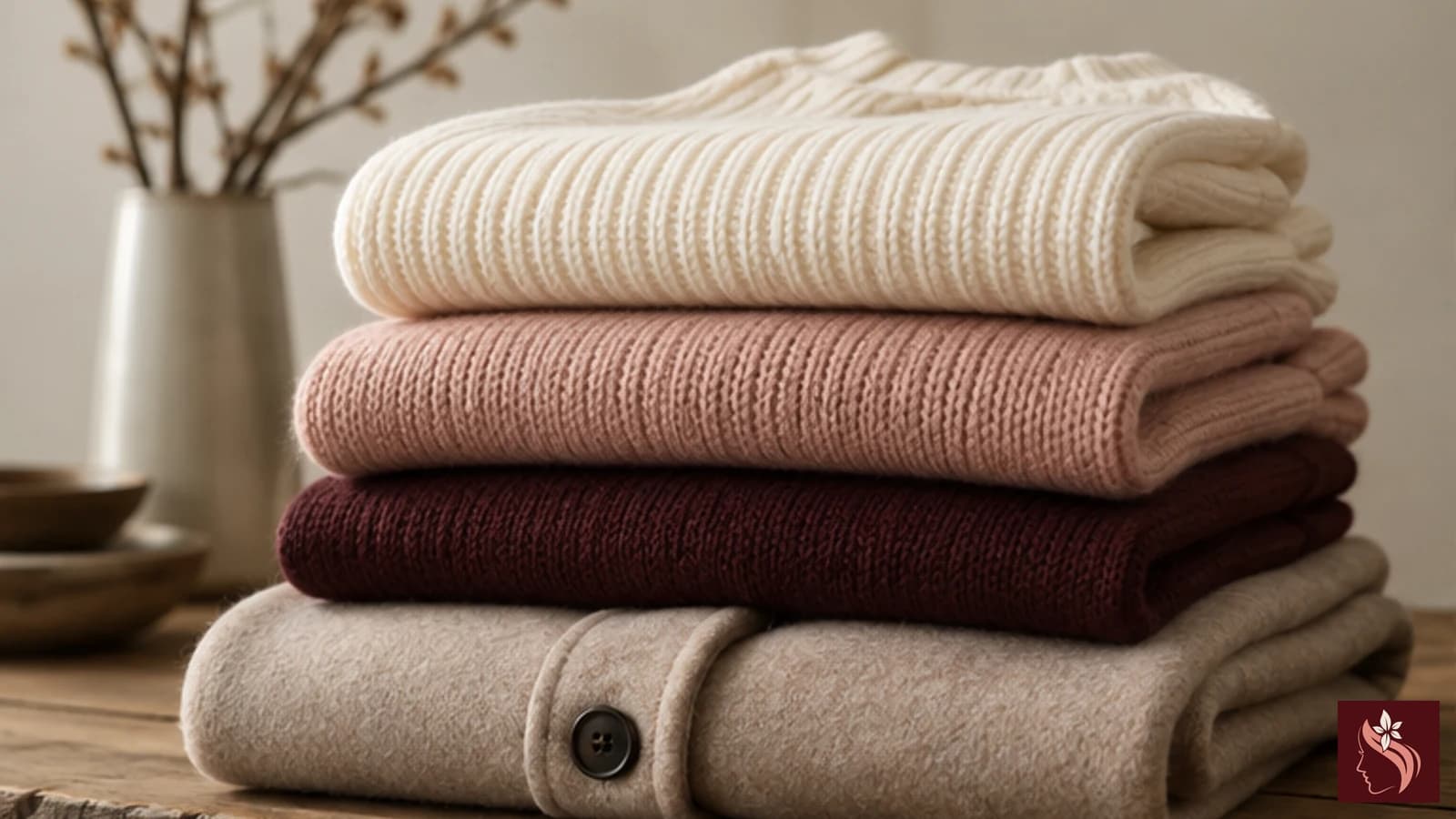
The base layer is the piece closest to the body and can be a tee, shirt, blouse, thin knit, or another top that works under the rest of the outfit. Consider how it feels, whether it bunches under a second layer, and whether its neckline or sleeves show in the intended combination. Fit preferences vary: some people like a close layer under a jacket, while others want more ease. Do not assume that a base layer must be tight or made from a particular material. Check the garment's exact size chart, fiber disclosure, and care directions before shopping.
If a product is described as moisture-wicking, thermal, or temperature-regulating, attribute the phrase to the maker and look for the details behind it. Do not promise that it will keep every wearer warm or dry in a particular condition. Layering also depends on the rest of the outfit, activity, and environment. A person walking quickly may prefer a different weight from someone standing outdoors. If sensory comfort, skin sensitivity, or a required uniform affects the choice, those needs should guide the decision rather than a generic rule from a style guide.
Sources: www.ftc.gov
Select a mid-layer for the temperature transition
A cardigan, sweater, overshirt, vest, blazer, or light fleece can serve as a mid-layer depending on the outfit and setting. Look at garment weight, sleeve shape, closures, pocket placement, and how it fits over the base piece. A bulky sleeve may feel different under a fitted coat; a long cardigan may need room over a dress. These are construction and styling considerations, not universal body rules. The model image can illustrate one combination but cannot establish how a particular garment fits or moves on every person.
Think about what happens indoors. A layer that is comfortable outside may feel too warm in a heated office or crowded venue. Removable closures and manageable sleeves can make transitions easier. If you will carry a garment, consider its weight and whether it folds without becoming inconvenient. A product's fabric content and label tell you part of the story; they do not give a complete comfort prediction. Choose a layer that matches your use and care routine, and skip a new purchase if a sweater already in your closet fills the role.
Sources: www.ftc.gov; www.ftc.gov
Pick an outer layer for the actual weather
An outer layer may be a coat, jacket, rain shell, trench, or another garment appropriate to the forecast. Check the product's stated weather purpose, closure, hood, lining, cuffs, length, and size chart. If the page says water-resistant or waterproof, keep that language exactly scoped and look for the maker's conditions or test information. A coat photographed in rain is not proof that it repels water, and a wool label alone does not prove that it suits a wet commute. If weather protection is essential, compare documented specifications and care instructions before making a purchase.
Fit the outer layer over the clothes you expect to wear underneath. Check shoulder room, sleeve length, closure range, and whether you can move comfortably. A chart may state body measurements or finished garment measurements, so confirm which before comparing. Try the garment over a representative outfit if the seller's return terms allow it. Do not add a size based on a generic rule; use the exact maker guidance and your intended layering. If the coat has a care method that is difficult to access, include that maintenance cost and effort in your decision.
Sources: www.primark.com; www.brooksrunning.com; www.ftc.gov
Build outfit formulas for different transitions
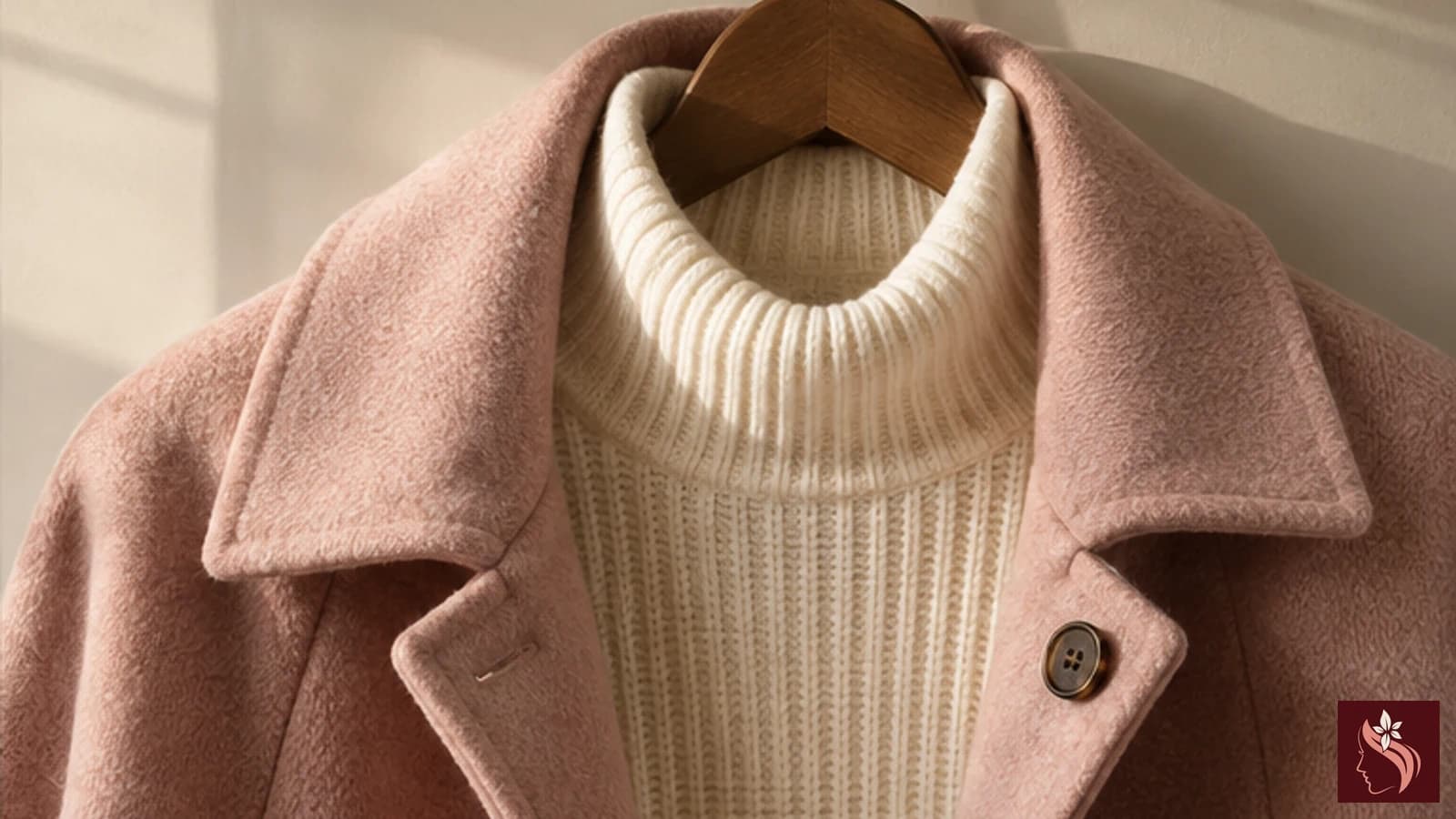
A cool-weather outfit can use a fine base top, a cardigan, and an outer coat; a shirt, knit vest, and rain shell; or a dress with tights and a removable jacket. These formulas can be adapted by color, fabric, length, and occasion. They are not a prescribed uniform or proof that one garment is a seasonal essential. If you move from a cold commute to a warm indoor setting, plan where the removed layer will go. If you will walk, consider the footwear and hem together. The most useful combination is one that works with the weather and your daily activity.
A wardrobe matrix can show several combinations from clothes you already own. List base items, mid-layers, outerwear, bottoms or dresses, and shoes, then mark which outfits work for office, errands, travel, or a social event. Include care information and any item that cannot be layered comfortably. If one garment appears in many combinations, it may be a useful wardrobe anchor, but that does not mean everyone needs it. Replace or revise the formula when the event, climate, or personal comfort changes.
You can also plan a transition outfit: wear the base and mid-layer for a commute, then remove the coat indoors; or keep a compact cardigan available for an evening temperature drop. Consider whether the removed piece can be carried or stored without interfering with your day. A bag, workplace locker, or coat check may change the practical choice. These examples are about managing transitions and do not make a universal temperature or warmth promise.
Sources: www.ftc.gov; www.ftc.gov
Balance garment weight, fit, and movement
Layering can add bulk, so consider how several garments fit together at shoulders, arms, waist, and hips. A size label alone cannot tell you the finished shape. Compare item measurements, intended ease, and seller fit notes; check how closures align when layers overlap. Avoid a rule that the thinnest item must always be closest to the body or that a larger outer size is automatically necessary. Garment construction differs, and some pieces are designed to be layered while others are meant to be worn alone. If you need a specific fit, seek the exact product measurements or try it on under conditions similar to the intended outfit.
Movement is part of fit. Reach forward, sit, walk, and raise your arms if those movements matter to the day. A bag strap, scarf, or hood may interact with the closures. These are practical personal observations, not a formal test of product performance. If a product is reviewed later, the editor should document the exact variant, size, layering combination, wearer context, and limitations. Until then, our coverage remains specification-based. Generated outfit images are visual inspiration and do not demonstrate tested ease, warmth, or range of motion.
Sources: www.primark.com; www.brooksrunning.com
Read fiber and care information before buying
The FTC explains that covered textile products generally carry disclosures for fiber content and other information, and its care-label guidance describes garment maintenance instructions. Compare those details when choosing a base, mid-layer, or coat. A wool blend, cotton knit, synthetic shell, or lined jacket may each have different care requirements; never infer washability from a fiber name alone. Look for the exact item's tag or official listing. A piece that requires professional cleaning can still suit your wardrobe, but it may not be practical if you prefer machine-washable clothing or travel often.
Care also affects how layers work together over time. Some garments may shrink, stretch, pill, or change shape if cared for contrary to their instructions; avoid promising what will happen to a specific item without evidence. Follow the tag for each piece, and do not apply one garment's method to another just because they look similar. For a product comparison, note fiber, care, size chart, weather claims, and source date. The article should use merchant pages for current price and stock and disclose affiliate links near recommendations.
Sources: www.ftc.gov; www.ftc.gov
Conclusion
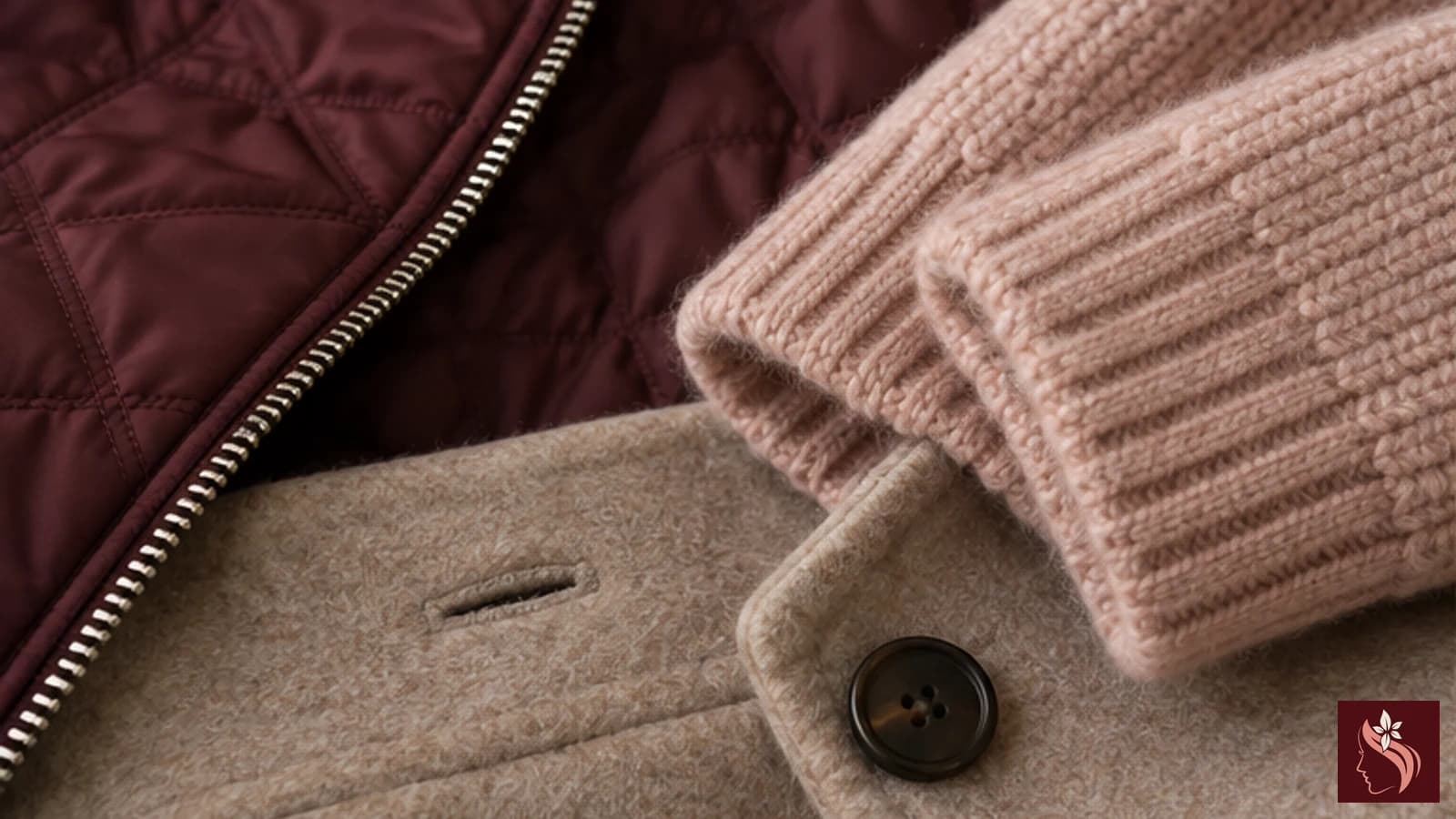
Build cool-weather outfits from removable layers chosen for the day's forecast, movement, indoor transitions, and care routine. Compare exact garment measurements and documented material claims instead of assuming that one formula, size, or fabric works for every person. Use outfit formulas as adaptable starting points, and treat generated visuals as inspiration rather than tested products or warmth evidence.
Frequently Asked Questions
What are the three layers for cold weather?
Base, mid, and outer layers are common clothing roles, not a mandatory system. Adapt them to the forecast, activity, and comfort you want.
How should an outer layer fit over a sweater?
Use the exact garment measurements and size guidance, and consider trying it over a similar layer if returns permit. A size label alone cannot guarantee room.
What fabric is warmest for layering?
This guide does not rank fibers universally. Compare construction, weight, lining, product specifications, and the conditions stated by the maker.
Can I layer a rain jacket over any outfit?
Check the exact jacket's sizing, intended use, closures, and care details. A photo or generic description cannot guarantee weather performance or fit.
Sources
- www.ftc.gov (checked 2026-10-28)
- www.ftc.gov (checked 2026-10-28)
- www.primark.com (checked 2026-10-28)
- www.brooksrunning.com (checked 2026-10-28)