

Start with the instructions on the garment itself
A clothing care label helps you understand how the manufacturer says to clean and maintain that particular garment. The Federal Trade Commission's Care Labeling Rule guidance explains that manufacturers and importers must provide care instructions for covered clothing and some piece goods. A tag may use words, symbols, or both. Begin with the permanent or attached information on the actual item, especially when it differs from a general online description. A fabric name alone cannot tell you whether a garment should be washed, dried, ironed, or professionally cleaned in a particular way.
Read the entire care instruction before placing a garment in a washer or taking it to a cleaner. Look for washing, bleaching, drying, ironing, and professional-care directions where they appear. Some instructions include temperatures or limitations; others use symbols recognized by the care labeling system. If a symbol is unfamiliar, compare it against a current reliable guide or contact the maker. Do not infer an instruction from a partially visible icon, a generic laundry chart, or another garment made from a similar fabric. This article explains how to approach the tag; the garment-specific label controls the item in hand.
Sources: www.ftc.gov
Separate care directions from fiber content
Fiber content tells you what fibers are disclosed in a textile product, while care instructions tell you how the maker says to maintain it. The FTC explains that most covered textile products must disclose fiber content, country of origin, and the identity of the manufacturer or responsible business. Those disclosures can appear near care information, but they serve different purposes. A label reading cotton, polyester, wool, or a blend does not replace the wash and dry directions. Nor does a care instruction tell you the full composition if the fiber disclosure is elsewhere on the tag.
For a shopping decision, check the full fiber disclosure and the care method together. A blend may require a different treatment than a shopper expects from its most prominent fiber. Trims, linings, coatings, prints, elastic components, and construction can also affect the garment's care needs. The FTC labeling guide describes exceptions and detailed requirements, so a short consumer article should not overstate what every product must disclose. If an item is secondhand or its tag is missing, ask the seller or maker for reliable garment-specific instructions rather than guessing by touch or appearance.
Sources: www.ftc.gov; www.ftc.gov
Read washing directions carefully
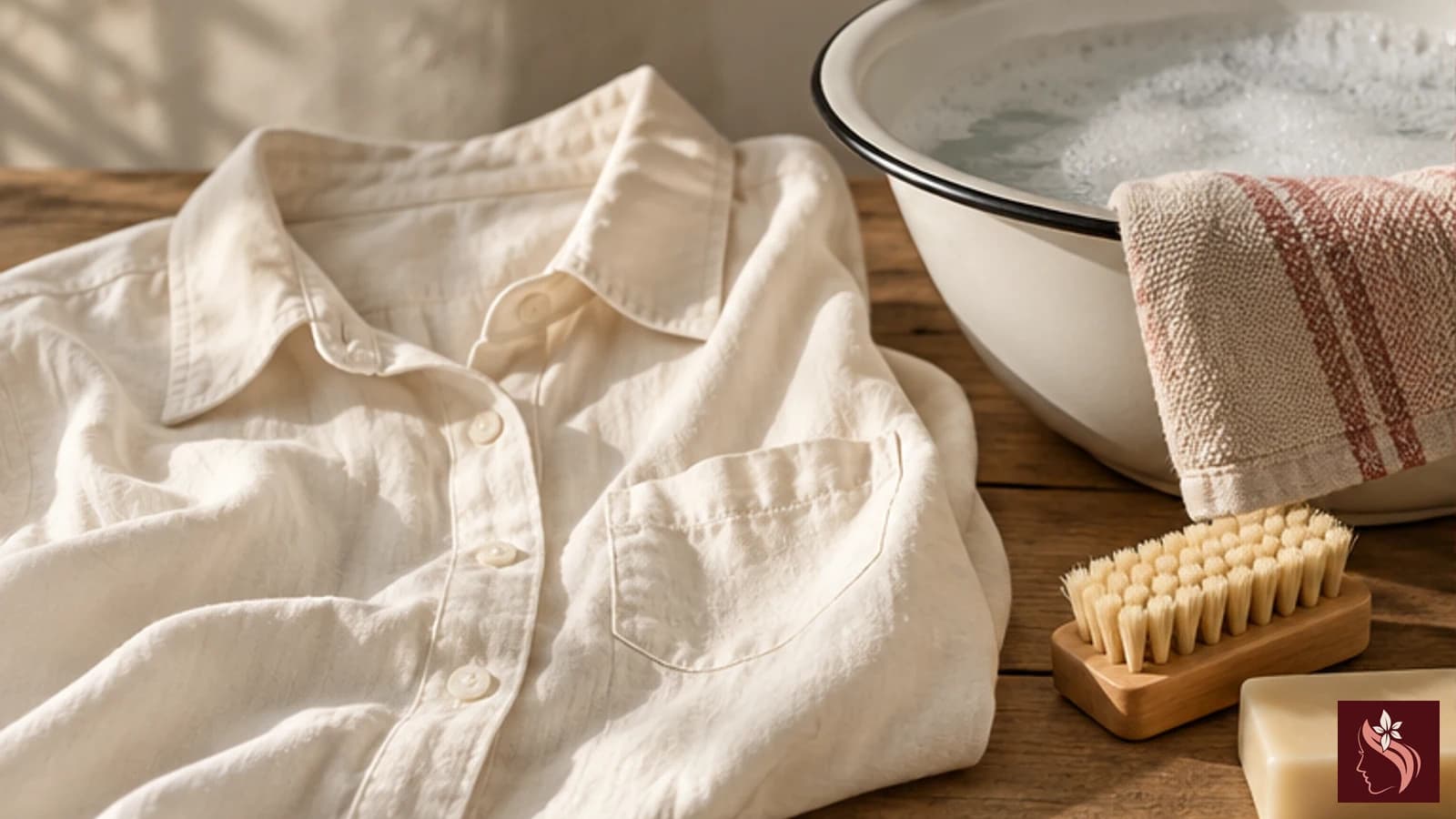
A wash instruction may identify a machine cycle, hand washing, water temperature, or a limitation such as do not wash. Follow the exact wording and any additional details on the label. If the garment says to wash separately, use that information; if it specifies a gentle cycle, do not substitute a rougher method because the fabric looks sturdy. A symbol key can explain what a basic icon represents, but small marks or a partial tag may be ambiguous. Confirm the exact symbol in a reliable reference and use the complete label rather than a screenshot or social-media laundry tip.
Do not assume that a garment is machine washable because another item with the same fiber content is. Dye, structure, lining, decoration, finish, and construction differ. If the label is unclear, contact the manufacturer, retailer, or a qualified cleaner before using a method that could damage the item. The FTC guidance explains the role of care information and notes that using an unspecified cleaning process may involve risk. A consumer-facing article should avoid promising that a particular home method will preserve shape, color, or finish unless there is evidence for the exact garment and process.
Sources: www.ftc.gov
Understand drying and ironing instructions
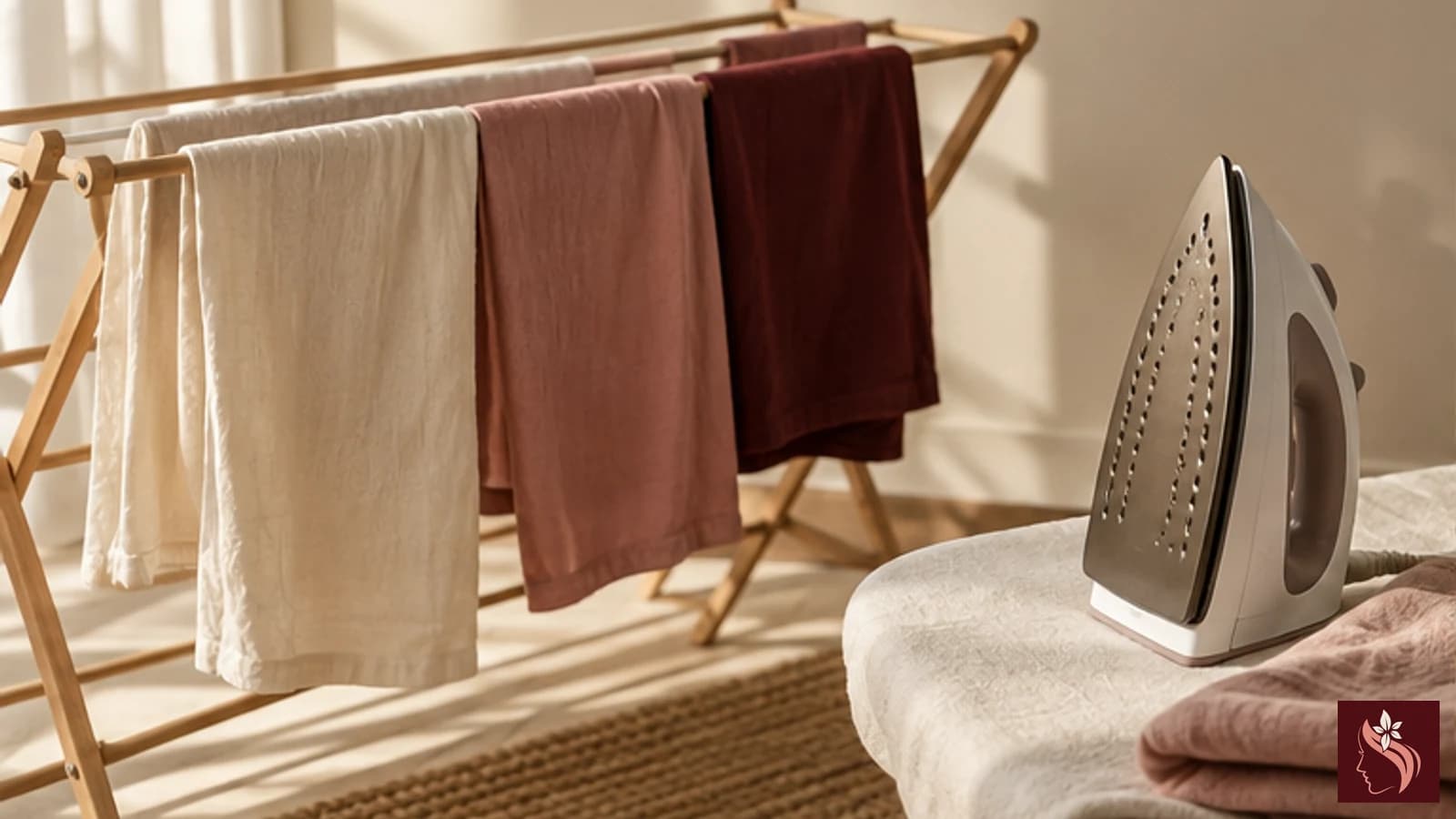
Drying directions can specify tumble drying, a heat setting, line drying, or another method. The label may also show whether the garment should be laid flat or reshaped. Follow the manufacturer's exact instruction, because heat, agitation, and garment weight can affect different construction details. Do not translate 'low' or a dryer icon into an exact temperature unless the label or maker defines it. A garment's fabric composition is not enough to predict shrinkage or drying time. If the instructions conflict with the care equipment you have, choose an item whose care you can follow or consult the maker before proceeding.
Ironing or pressing symbols may indicate a permitted heat level or a restriction, and they should be read through a current symbol reference. Use a press cloth or other technique only if the maker or a qualified cleaner recommends it for the actual item. Avoid placing a hot iron directly on a print, coating, or delicate trim based only on the fiber name. If the tag says do not iron, do not assume steaming is an equivalent safe alternative; check with the brand. Care instructions are not an invitation to test increasingly hot settings until a wrinkle disappears.
Sources: www.ftc.gov
Bleach and professional-cleaning marks need particular care
Bleach instructions can distinguish whether bleach may be used and sometimes which kind is permitted. Do not assume a light-colored item is bleach-safe or that a stain remover is interchangeable with the method on the tag. Read the product directions for any laundry chemical as well as the garment label. If the tag's symbol is hard to identify, verify it before using the chemical. A generated article image is not an accurate reference for care symbols; use the text and an accessible, validated key in the article when readers need to decode an exact mark.
Professional-cleaning instructions identify a cleaning method and may include a letter or other details. Take the full garment and tag to a qualified cleaner when the instruction is unclear or the item is valuable, structured, or embellished. The FTC says a cleaner is not always required to use a method absent from the label, and an alternative process may involve risk. This article cannot determine the right treatment for a specific stain or garment without seeing its full construction and tag. Avoid household experiments that might set a stain or damage a finish; ask an appropriate professional for advice.
Sources: www.ftc.gov
A simple decision path for an unfamiliar tag
First, check that the tag belongs to the garment and is legible. Second, read the written directions from beginning to end, including any temperature or 'do not' language. Third, use a current care-symbol reference for any icon you cannot identify. Fourth, compare the method with the cleaning equipment and products available to you. If a step remains unclear, contact the maker or ask a professional cleaner. This sequence is safer than choosing a method by fiber content, garment color, or a short social clip. Keep a photo of the label if it helps you remember the instructions later.
For online shopping, look for care details in the exact product listing before checkout. A category page may omit them, and two colors or fabric versions can have different composition. Record the product name, material, care method, source, and date if you are comparing items. If a care detail is absent, mark it as not disclosed. The absence of information does not prove that a garment is difficult or easy to clean. It simply means the buyer may need to ask the seller or decide whether the uncertainty is acceptable.
Sources: www.ftc.gov; www.ftc.gov
Build a searchable visual key without inventing meanings
A useful care-label article can organize symbols by task: washing, bleaching, drying, ironing, and professional cleaning. Each symbol should be paired with a vetted meaning from the current standard or a reliable reference, a plain-language explanation, and a note that the garment's own tag is the final instruction. If the publisher cannot verify a symbol meaning or permission to reproduce its graphic, do not guess or redraw it from memory. A text index can still help readers search by the word on the label, while a carefully sourced visual key can be added after editorial review.
Accessibility matters in a visual guide. Pair icon examples with descriptive text, maintain readable contrast, and do not rely on color alone to signal an instruction. The image set for this draft is illustrative and does not represent an authoritative care-symbol chart. Before publication, the editor should compare any displayed symbol directly with the cited source and ensure that its caption explains limitations. This keeps the page useful for readers while preventing an attractive but inaccurate graphic from causing garment-care mistakes.
Readers may also encounter tag abbreviations or care wording that is not an icon. Search the exact phrase in the maker's support information and preserve its meaning rather than rewriting it into a broader permission. If the product is secondhand and the brand is unknown, a professional cleaner can inspect construction and recommend a cautious route, but the decision remains specific to that garment. An article can list search terms and a contact path without pretending to decode every possible global symbol system in one table.
Sources: www.ftc.gov
Conclusion
Read a garment's own care instructions in full, keep fiber content separate from maintenance directions, and verify unfamiliar symbols with a reliable current reference. If the tag is missing or unclear, ask the maker or a qualified cleaner before trying an uncertain method. A material name or generic laundry chart cannot guarantee how a particular garment will respond.
Frequently Asked Questions
What information should a clothing care label include?
For covered apparel, the FTC Care Labeling Rule requires manufacturers and importers to provide care instructions. Read the full tag for the exact garment.
Does a cotton label mean I can machine wash the garment?
No. Fiber content does not replace garment-specific care directions. Check the item's full tag.
Can I use a symbol guide for every garment?
A reliable current guide can help interpret a symbol, but confirm the exact icon and follow the complete instruction on the garment's own label.
What should I do if the care label is missing?
Ask the maker, retailer, or a qualified cleaner for garment-specific guidance instead of guessing from appearance or fiber content.
Sources
- www.ftc.gov (checked 2026-10-28)
- www.ftc.gov (checked 2026-10-28)
- www.ftc.gov (checked 2026-10-28)