Separate product format from the claim on the label
Setting powder and setting spray are broad retail terms. Powders may be pressed or loose and can be described as translucent, tinted, matte, luminous, blurring, or finishing. Sprays may be called setting, finishing, fixing, or refreshing mists. Those names and intended functions vary by maker. A spray that adds a particular finish is not automatically the same as one whose maker says it is designed to hold makeup, and powder does not have one guaranteed level of oil control or wear. Read the exact product page, label, directions, and claims.
A useful comparison starts with what you want to adjust: reduce visible shine in a selected area, soften the look of powder layers, add a particular finish, or simply use no additional step. Product descriptions often include promotional performance claims such as a stated duration. Attribute those statements to the manufacturer and do not present them as an independent test. If our team has not used the exact variant, coverage is limited to current product specifications and published directions.
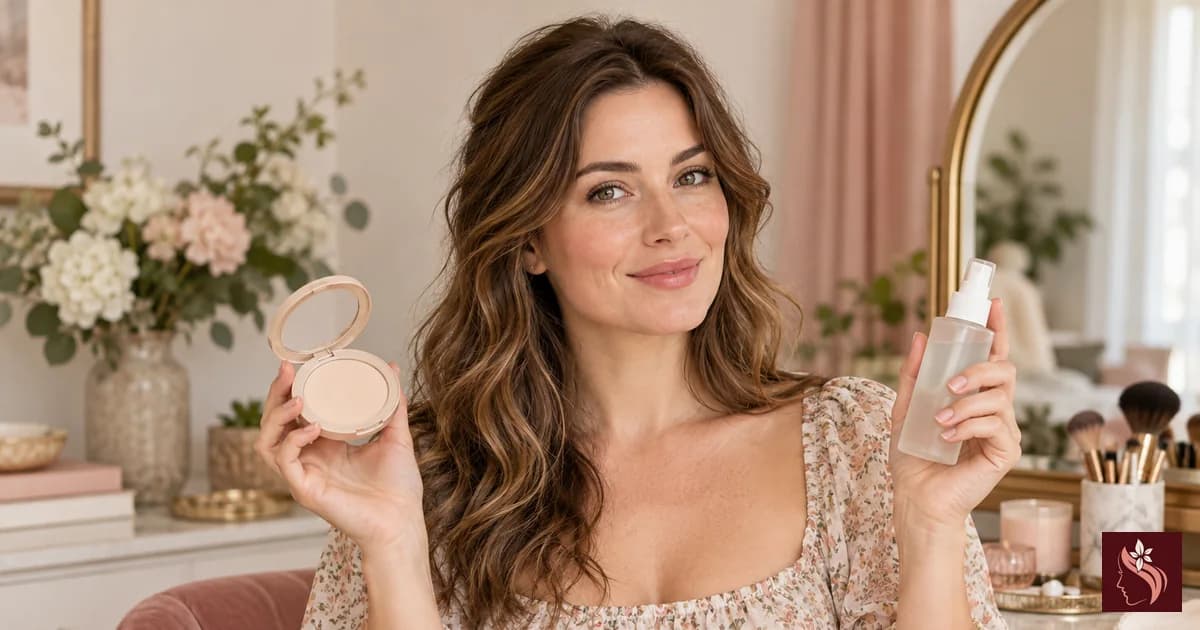
What to look for in a setting powder
Check whether the powder is loose or pressed, its shade options, the finish named by the maker, the package size, the ingredient declaration, and application instructions. A translucent label does not mean every powder is invisible on every skin tone or in every light. Tinted shades can add visible color; a product image cannot guarantee how its shade appears in a different room, on a different complexion, or through a camera. Look at authorized swatches across varied skin tones when available and use a small amount if you choose to try it.
Apply powder only where you want that finish, using a clean puff or brush if the product directions permit. With loose powder, dispense carefully and avoid creating airborne dust; do not inhale it. Tap off excess and press or sweep gently, depending on the maker's directions. The goal is not to coat every area by default. A targeted application can be easier to adjust than a full-face layer. If powder emphasizes texture or feels uncomfortable, remove it gently and reconsider the formula or skip the step.
Sources: Laura Mercier — Setting Powders and Sprays collection
What to look for in a setting or finishing spray
Read the spray's exact purpose, ingredient list, use directions, warnings, and package type. The word spray may cover different formulas and claims. Laura Mercier's setting-spray application guide, for example, gives a particular distance and misting method for its product context. Those directions should not be generalized to every spray. Keep eyes closed if directed, avoid breathing in a mist, and use the product in the manner and area named on its label. Check any precautions about ventilation or contact with eyes.
A spray may be described as matte, dewy, hydrating, or designed to finish layers. These are maker descriptions, not guaranteed outcomes for all skin types or climates. Some aerosol packages have additional safety directions; FDA advises using aerosol cosmetics in well-ventilated places and not around smoking or open flames. If the container is pressurized, follow its label for storage, temperature, and disposal. A spray is optional and does not replace a separate sun-protection product or medical treatment.
Sources: Laura Mercier — Setting spray application guide; U.S. Food and Drug Administration — Using Cosmetics Safely

Choosing powder, spray, both, or neither
Choose based on the role you want each item to play. If you prefer to set a small area, a powder may be the format you explore. If you want a final mist or a brand-described finish, read spray directions and decide whether that step fits your routine. Some people use both in sequence, while others use only one or neither. Layering can change how a makeup look appears, but it does not guarantee longer wear, transfer resistance, or a particular skin feel unless a documented product test supports that claim.
Consider application time, packaging, portability, fragrance or other declared ingredients, and how easy the container is to use. A spray may not be appropriate for someone who prefers to avoid mists; powder may feel inconvenient to carry or dispense. If a formula irritates you, stop using it and consult a qualified professional about persistent symptoms. Do not infer that a product is safer or more suitable because it is labeled natural, hypoallergenic, clean, or for a particular skin type; FDA explains that some of these marketing terms are not standardized safety guarantees.
Sources: U.S. Food and Drug Administration — Using Cosmetics Safely; U.S. Food and Drug Administration — Cosmetic Ingredients
Application order depends on the exact products
Many routines put powder after cream or liquid complexion products and use a spray near the end, but product directions can differ. Laura Mercier's product collection describes both powders and sprays and its application guidance recommends powder before its spray. This is a manufacturer sequence for its products, not a binding order across brands. If you are combining items, read each label and try the sequence on a small area. Allowing layers to settle may make application easier, but no universal wait time or result can be promised.
Avoid spraying too close or applying more powder just because a tutorial uses a larger amount. Follow the maker's distance, number of sprays, and face-area directions. Keep the applicator and product container from touching the eye or mouth unless its label specifically directs that use. If you wear contact lenses, follow your lens-care advice and avoid exposing lenses to sprays. Do not apply makeup or sprays while driving or riding in a moving vehicle; FDA warns about eye injury from moving applicators and recommends careful eye cosmetic use.
Sources: Laura Mercier — Setting spray application guide; U.S. Food and Drug Administration — Eye Cosmetic Safety; U.S. Food and Drug Administration — Everyday Eye Care for Contact Lens Wearers
Compare listings and claims responsibly
For two products, record the exact name, format, selected shade, size, stated finish, application directions, ingredients, warnings, market, source URL, and date checked. Put manufacturer claims in a clearly attributed column. Keep your own observations separate and include them only when an editor has tested the precise variant with a documented method. A category article should not state that powders always control oil better, that sprays always extend wear, or that a specific format is best for oily, dry, or mature skin without adequate variant-level evidence.
Check current merchant pages for price, availability, size changes, return terms, and shipping because these details change. Her Glamness shows prices in USD where price information is useful and directs readers to merchants for current pricing. If a product has an affiliate placement on a live article, disclose the relationship near that recommendation. In this draft, there are no product-specific affiliate links; product coverage is specification-based and the required testing statement explains when hands-on information is unavailable.
A useful review method also records what could not be controlled. The shade, lighting, amount, base product, brush or sponge, and time after application can all change the observation. If two setting products are compared, use the same face preparation and note whether the product was used alone or layered. Do not edit a photograph to exaggerate a difference, and do not describe ordinary shine, texture, or makeup transfer as a medical problem. When a claim concerns a particular number of hours or a specific environmental condition, require a repeatable test of that exact item before presenting it as our result.
Before buying, confirm that a product listing belongs to the market you are shopping in. Product names, package sizes, shade options, and instructions can differ between regional sites or change after a reformulation. Save the merchant's exact variant URL and the date checked in the editorial record. If the retailer only shows a general category page, do not infer an ingredient list or performance detail for a particular shade from the category description. Ask the manufacturer or merchant for the exact current label when essential information is missing, and leave the detail out until it can be verified.
Sources: Laura Mercier — Setting Powders and Sprays collection; U.S. Food and Drug Administration — Using Cosmetics Safely

A quick selection checklist
This checklist helps separate what the label says from what a person experiences. It also supports a practical no-buy decision: if your existing makeup looks and feels as you want, a setting product is not automatically necessary.
- Identify whether the exact product is loose powder, pressed powder, setting spray, finishing spray, or another mist.
- Read the exact label, finish language, ingredients, directions, and cautions.
- Choose a format based on the step you want, not a broad skin-type promise.
- Use a clean applicator and start with a small amount or light mist as directed.
- For combinations, follow both makers' directions and test the sequence on a small area.
- Avoid inhaling powder or mist and follow aerosol ventilation and storage guidance.
- Check the merchant's current shade, size, price, stock, and return policy before purchase.
Sources: Laura Mercier — Setting Powders and Sprays collection; U.S. Food and Drug Administration — Using Cosmetics Safely
Conclusion
Setting powder and setting spray are optional formats with different packaging, directions, and manufacturer claims. Compare the exact product rather than assuming that every powder controls shine or every spray extends wear. Choose the step that fits your desired finish, routine, and comfort, and use only the amount and method the label describes.
Read ingredients and warnings, keep tools and containers clean, use sprays with care, and treat performance language as a brand claim unless the exact item has been independently tested. Powder, spray, both, and neither are all reasonable choices. Current merchant pages provide the price and availability details to check before you buy.
Sources: U.S. Food and Drug Administration — Using Cosmetics Safely; Laura Mercier — Setting Powders and Sprays collection
Frequently Asked Questions
Is setting powder or setting spray better?
Neither format is universally better. Compare the exact product purpose, label claims, application directions, and finish you want.
Can I use setting powder and setting spray together?
Some makers describe using both, but the sequence and directions vary. Read both labels and try a small area before combining products.
Does setting spray replace powder?
Not necessarily. Products may have different stated purposes and formulas. Use each item only if its directions and your preference support that step.
Does setting powder make makeup last longer?
A category name alone cannot establish a guaranteed wear time. Attribute duration claims to the maker or use documented testing for the exact variant.
How should I apply setting spray?
Follow the exact product label for distance, amount, face area, and precautions. Avoid inhaling the mist and protect eyes as directed.
Is loose powder safe to breathe in?
Avoid inhaling cosmetic powder and dispense it carefully. Follow the product's label and ask a qualified professional about personal respiratory concerns.
Do I need a setting product for everyday makeup?
No. Setting steps are optional. If your current routine already gives you the finish you like, you can skip them.
Sources
- Laura Mercier — Setting Powders and Sprays collection (checked 2026-10-28)
- Laura Mercier — Setting spray application guide (checked 2026-10-28)
- U.S. Food and Drug Administration — Using Cosmetics Safely (checked 2026-10-28)
- U.S. Food and Drug Administration — Eye Cosmetic Safety (checked 2026-10-28)
- U.S. Food and Drug Administration — Everyday Eye Care for Contact Lens Wearers (checked 2026-10-28)
- U.S. Food and Drug Administration — Cosmetic Ingredients (checked 2026-10-28)