

The short answer: compare the label, not just the name
Skin tint and tinted moisturizer are useful shopping phrases, but they do not describe two standardized formula classes with a single industry-wide definition. A skin tint is generally marketed as a lightweight complexion product with visible tint; a tinted moisturizer is generally presented as moisturizer with added color. Those descriptions suggest the intended experience, but they do not tell you exactly how much coverage, hydration, wear, or sun protection a particular product provides. The specific package, product page, shade range, and directions carry the details that matter.
Current US retailer listings show why the distinction can be blurry: product titles in a tinted-moisturizer category may also use terms such as skin tint or foundation, while a cosmetics brand may organize skin-tint items within its foundation collection. That is a snapshot of retailer and brand naming, not a universal definition. If you are deciding between two formulas, compare their published attributes side by side and treat every performance statement as that maker’s claim unless Her Glamness has independently tested the exact product and variant.
This guide gives you a practical comparison method. It covers coverage language, texture and finish, shade information, ingredient and skin-condition limits, and the extra label checks required when a tint claims SPF. It does not diagnose skin, promise a match, or rank a particular formula. The aim is to help you read the listing accurately and decide which questions to answer before buying.
Sources: Sephora US — Tinted Moisturizer category and current listing taxonomy; M·A·C Cosmetics US — Foundation collection and current product categories
Why the two names overlap in shopping results
Retail navigation is designed to help people browse, not to define technical categories. A retailer can place a product in the category it believes shoppers will use, and the product maker can choose different wording for the product title. The result can be one item appearing under tinted moisturizer even though its name includes skin tint or foundation. On a brand site, the same word can appear in a product family whose navigation uses a different category. This means a search result is a useful discovery tool, but not a substitute for the exact product page.
An October 28, 2026 review of the current US category pages found this overlap in the visible taxonomy: a tinted-moisturizer category showed product titles using both skin-tint and foundation language, and a brand foundation collection included products whose titles use skin tint. The pages also exposed comparison attributes such as coverage, finish, shade or color family, formulation, and sun protection. These observations are dated because retailer navigation and assortments change; check the live page again when you shop.
For a useful comparison, write down the complete product name and the exact variant you are evaluating. A brand can sell several formulas with similar names, different shades, package sizes, or SPF labeling. Two items sharing the word tint may have very different directions. Two items with different names may serve a similar cosmetic preference. Product naming is an invitation to inspect the details, not evidence that the formulas are interchangeable.
Sources: Sephora US — Tinted Moisturizer category and current listing taxonomy; M·A·C Cosmetics US — Foundation collection and current product categories
Coverage: look for the maker’s own words
Coverage describes how much visible color a complexion product is designed to deposit, but coverage terms are not a reliable cross-brand measuring scale. One maker may call a formula sheer and another may call a similar-looking formula light. Buildable usually means the brand intends additional layers to increase visible coverage; it does not guarantee that layering will look or feel the same on every person. Full, medium, light, and sheer should be read as the brand’s description of its own formula, not as a standardized score that can be compared numerically across every listing.
Ask what you want the product to do in the mirror. If you want a barely visible tint and expect some natural skin features to remain visible, start by examining products whose current directions and coverage language align with that preference. If you want more even-looking color over a wider area, compare the published coverage description and shade options. Neither choice is a correction to your face. Freckles, redness, pigmentation, and natural tone variation do not create an obligation to cover anything.
A product page may use words such as blurring, perfecting, smoothing, or correcting. These can describe an appearance claim, but they do not mean the item treats a skin condition. Keep cosmetic appearance language separate from medical or treatment claims. FDA explains that a product’s intended use and claims help determine whether it is a cosmetic, a drug, or both; avoid inferring a therapeutic benefit from a complexion product’s marketing name.
Sources: U.S. Food and Drug Administration — Makeup; U.S. Food and Drug Administration — Is It a Cosmetic, a Drug, or Both?
Texture and finish: compare the details you can observe
A tint can be fluid, cream-like, gel-like, balm-like, or another texture. A tinted moisturizer can also be sold in different formats. The name alone does not tell you whether a formula feels rich, weightless, dewy, natural, radiant, or matte. Look for the maker’s exact finish language, directions, and any available product demonstration. If a listing says a product can be worn on its own or layered, that is a maker statement; it does not prove that every shopper will find it comfortable across a full day or in every climate.
Think about how you prefer to apply complexion products. Some directions describe fingers, brushes, or sponges; some products include a pump, dropper, tube, stick, or compact. These are practical handling details, not evidence that one type is universally better. If you use fingers, begin with clean hands. If you use a reusable tool, follow its maker’s cleaning instructions and the cosmetic’s directions. Apply a small amount first so you can see whether you want more coverage before adding another layer.
Finish photographs can be affected by lighting, camera exposure, editing, display settings, and the amount applied. A dewy-looking image does not establish a hydration benefit, and a matte image does not establish suitability for oily skin. When available, compare multiple brand photos in consistent light and read the disclosed claims. Treat shade and finish imagery as a starting point rather than a guarantee of the result on your own skin.
Shade range and undertone: make a specific comparison
A tint still needs a color that works for the person wearing it. Compare the current shade count only as a listing attribute, then inspect the actual available shade names, swatches, undertone descriptions, and model imagery. A large count does not guarantee that a particular depth or undertone is represented in the sizes currently for sale. A smaller count does not tell you how well the shades work without looking at the range. Availability can also vary by country, retailer, and date.
Depth and undertone are separate considerations. Depth describes how light or deep a shade appears; undertone language describes the color direction a brand assigns to it. Brand systems are not fully interchangeable, and terms such as cool, warm, neutral, olive, peach, or golden may be used differently. Check how the maker defines its own system. If a virtual shade tool is offered, read the instructions and remember that screen color and camera lighting can change the result.
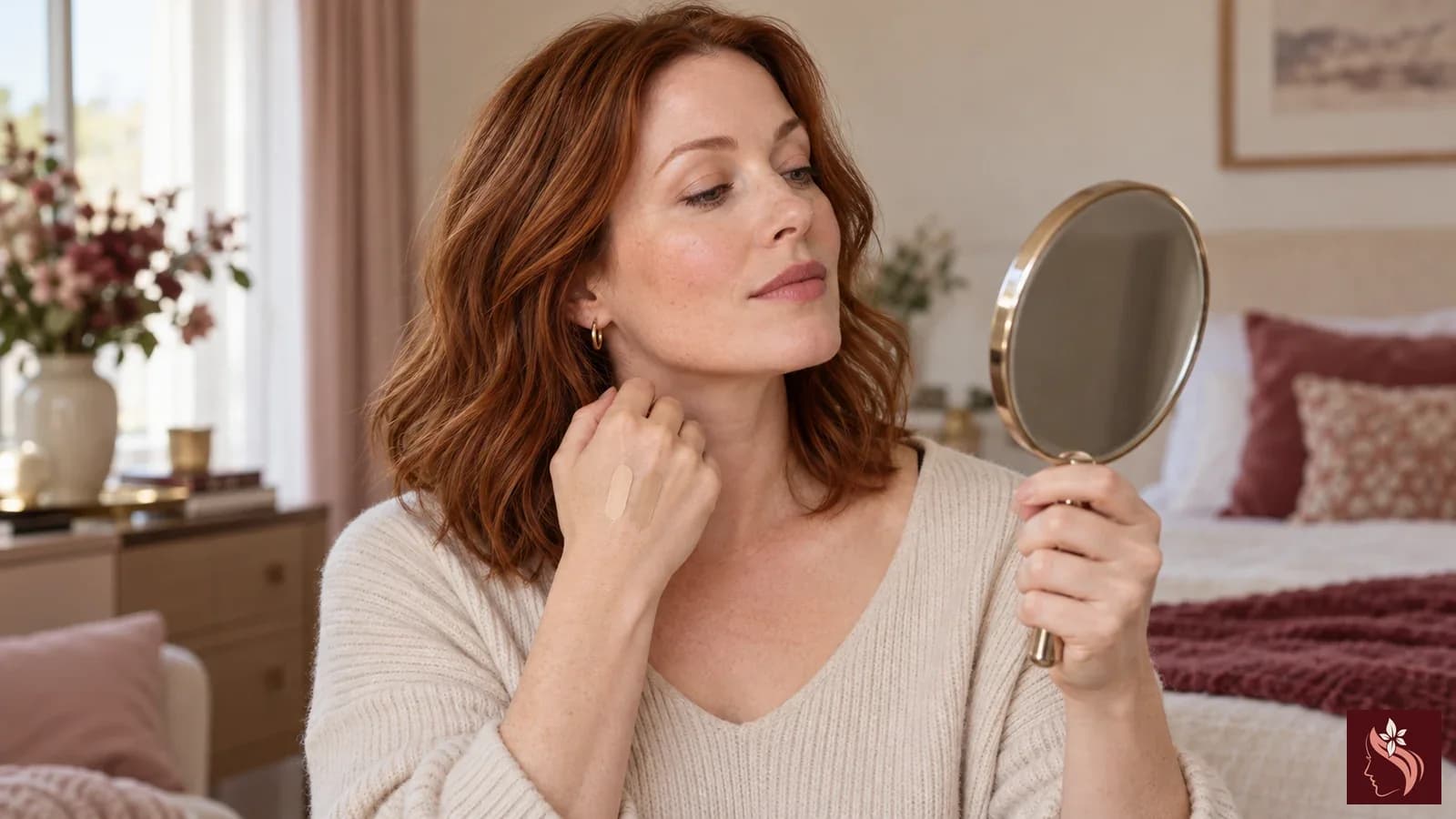
When a clean tester or sample is available, follow the store’s hygiene guidance and the product maker’s directions. Compare the shade in natural light when practical and observe it on the area where you intend to wear it. A hand swatch may not predict a face match. Do not share an applicator that touches skin, and do not put a shared tester directly on your face. If no shade seems suitable, that is a limitation of the available range—not a problem with your skin tone.
Sources: U.S. Food and Drug Administration — Using Cosmetics Safely

Skin type, ingredients, and personal comfort
A product’s use of the word moisturizer does not tell you whether it can replace your usual moisturizer, suit a particular skin condition, or cause no irritation. Read the complete ingredient list, directions, and warnings for the exact variant. Ingredient order and label terminology can help you identify what is disclosed, but they cannot predict how an individual will respond. A brand’s statements about sensitive skin, non-comedogenicity, hydration, or testing should be attributed to the brand and not rewritten as an independently verified result.
If you have a diagnosed skin condition, known allergy, recent procedure, or clinician-directed routine, a general makeup comparison cannot determine what is suitable for you. Follow your clinician’s advice and ask a qualified professional about ingredients or timing when you are unsure. Stop using a cosmetic if it causes a reaction, and seek medical advice for persistent or severe symptoms. This article does not assess or treat acne, eczema, rosacea, dermatitis, or any other skin condition.
Avoid treating labels such as clean, natural, hypoallergenic, or dermatologist tested as universal safety guarantees. Those words can have different meanings in marketing and do not prove that a product will suit each person. Check the specific brand explanation and any published methodology behind a claim. The most useful comparison here is concrete: ingredient list, warnings, intended use, application directions, package, and the experience you personally prefer after following those directions.
Sources: U.S. Food and Drug Administration — Using Cosmetics Safely; U.S. Food and Drug Administration — Cosmetics Labeling Claims
SPF claims need their own label check
Some complexion tints and tinted moisturizers include an SPF number. Do not assume every tint contains sunscreen, that every moisturizer provides sun protection, or that the phrase sun-kissed refers to sunscreen. Look for the exact SPF statement and the product’s directions. In the United States, makeup or moisturizer marketed with sun-protection claims can be regulated as both a cosmetic and a drug. That makes the label more important than a casual product-name shorthand.
If you choose a product with SPF, read its drug facts and use directions. The SPF number is one part of the labeled information; broad-spectrum, water-resistance, warnings, and reapplication instructions should be checked on that specific product. Do not infer protection from a tint’s color, from a brand’s general sunscreen page, or from another product in the same family. If you use a cosmetic layer in an amount different from its directions, do not assume you have followed the product’s sun-protection directions.
A tinted complexion product can be part of a makeup routine, but it should not lead you to skip a separate sunscreen step that you otherwise need. Follow the sunscreen product’s own instructions for how much to apply and when to reapply. If the tint is labeled with SPF and you are unsure how to use it alongside your usual sunscreen, ask a dermatologist or pharmacist. This guide is not a sunscreen recommendation and does not evaluate protection from any specific formula.
Sources: U.S. Food and Drug Administration — Makeup; U.S. Food and Drug Administration — Is It a Cosmetic, a Drug, or Both?; American Academy of Dermatology Association — How to apply sunscreen
A practical comparison worksheet
Put the two product pages next to each other and record the same fields for each one. Write the full name, selected shade, country site, package size, price and date viewed, and the maker’s exact coverage and finish terms. Record whether the maker describes it as a tint, tinted moisturizer, foundation, or more than one of those. Then note the format, the directions for application, any stated skincare claims, the complete ingredient link, and whether SPF is listed with a drug facts label. This gives you a fact-based comparison instead of relying on a headline.
Separate what the maker states from what you can observe. For example, the maker may describe a finish as radiant; a retailer may assign the listing to a tinted-moisturizer category; you may personally prefer one texture after trying it. These are different kinds of information and should not be merged into a claim that one formula performs better. If you have not personally tested the exact variant, say that the coverage is based on current manufacturer and retailer specifications.
Recheck details before purchasing because product pages change. A shade may be unavailable, a product may be renamed, or a formula and package may be updated. Retail listings can also show localized prices, shipping, and availability. Her Glamness uses USD as its displayed base currency and directs readers to the merchant for current price and stock. A listed price is a dated observation, not a promise that the merchant will keep it available.
Which one should you choose?
Start with the result you want, then check the exact product information. A person who wants a sheer, low-effort complexion step may prefer a formula whose maker describes light coverage and a comfortable texture. Someone looking for a product marketed as both complexion makeup and moisturizer may prefer to explore that labeling, then verify directions and ingredients. Neither preference establishes that the formula replaces a moisturizer or treats dryness. If SPF matters to your routine, treat its label and directions as a separate decision point.
You can also choose neither. A tint is optional, and bare skin is a complete choice. If you already own a complexion product that you enjoy and can use as directed, you do not need to add another category simply because the names are trending. If you are between shades or uncertain about a formula, look for a sample or a return policy from the merchant and confirm its current terms before ordering. Do not assume a retailer accepts opened cosmetics unless its policy says so.
When you compare recommendations from publishers, check whether they identify the exact product and shade, explain the basis for their claims, and distinguish testing from specification review. At Her Glamness, this article is not a hands-on comparison of selected products. It explains how to make a specification-based comparison and why product names alone do not supply enough information to rank formulas.
Conclusion
Skin tint and tinted moisturizer are overlapping shopping names, not dependable substitutes for reading a product’s label. Compare the maker’s current coverage and finish language, shade range, ingredients, directions, and exact SPF labeling. Retail categories can help you discover options, but those categories do not standardize formulas or predict how a product will look or feel on you.
Choose based on the finish and routine you prefer, keep cosmetic appearance claims separate from treatment claims, and check the exact variant before buying. If you use a product with SPF, follow its own directions and keep your sun-protection routine grounded in current sunscreen guidance. The best comparison is a transparent one: dated listing details, clearly attributed manufacturer claims, and no invented testing results.
Sources: U.S. Food and Drug Administration — Makeup; U.S. Food and Drug Administration — Is It a Cosmetic, a Drug, or Both?
Frequently Asked Questions
Is a skin tint the same as a tinted moisturizer?
Not necessarily. The names overlap in retailer and brand listings, but there is no single naming rule that makes every formula equivalent. Compare the exact product's coverage, finish, ingredients, directions, shade options, and SPF labeling.
Does tinted moisturizer replace regular moisturizer?
Do not assume it does. Read the product's intended use, ingredients, and directions, and follow your usual skincare or clinician instructions. The words in a product name do not establish that it replaces a separate skincare step.
Can a skin tint replace sunscreen?
Do not assume so. Check whether the exact product has an SPF label and follow its specific directions. FDA notes that makeup marketed with sun-protection claims can be regulated as both a cosmetic and a drug.
Which gives more coverage, skin tint or tinted moisturizer?
The name alone cannot answer that. Coverage descriptions vary by maker. Compare the exact product pages and look for the manufacturer's stated coverage, shade details, and directions.
Are skin tints better for sensitive or acne-prone skin?
There is no universal answer. Review the ingredient list and warnings for the exact variant, and ask a clinician about a diagnosed condition or known sensitivity. This guide does not make suitability or treatment claims.
How can I choose a shade online?
Use the brand's current shade chart and undertone descriptions, compare photos in consistent light, and remember that screens can shift color. When practical, use a clean sample or a merchant's current shade-matching and return options.
Sources
- Sephora US — Tinted Moisturizer category and current listing taxonomy (checked 2026-10-28)
- M·A·C Cosmetics US — Foundation collection and current product categories (checked 2026-10-28)
- U.S. Food and Drug Administration — Makeup (checked 2026-10-28)
- U.S. Food and Drug Administration — Is It a Cosmetic, a Drug, or Both? (checked 2026-10-28)
- U.S. Food and Drug Administration — Cosmetics Labeling Claims (checked 2026-10-28)
- U.S. Food and Drug Administration — Using Cosmetics Safely (checked 2026-10-28)
- American Academy of Dermatology Association — How to apply sunscreen (checked 2026-10-28)