

Plan around the itinerary instead of a fixed item count
A travel capsule is a way to organize outfits for a particular trip, not a universal number of tops, bottoms, or shoes. Start with the itinerary: arrival and transit, walking, meals, work, beach time, outdoor activity, evening events, and any dress requirements. Note how many days you will be away, whether laundry is available, and whether you can change between activities. This reveals which clothing roles need to be covered. A traveler with a hotel laundry service and a traveler carrying a small backpack for a week have different constraints; neither method is the one correct packing style.
Check the destination forecast for the specific dates as the trip approaches, and make room for plausible changes rather than packing for an average alone. Hot weather can coexist with air-conditioned interiors, rain, wind, or cooler evenings. A light layer may be useful even on a warm itinerary. If the trip spans multiple regions or elevations, plan for each part. This guide does not provide a forecast or promise that a particular fabric will keep you comfortable. It helps you identify what to verify before choosing clothing and encourages you to use current local conditions rather than a generic seasonal assumption.
Create outfit combinations from pieces you already like
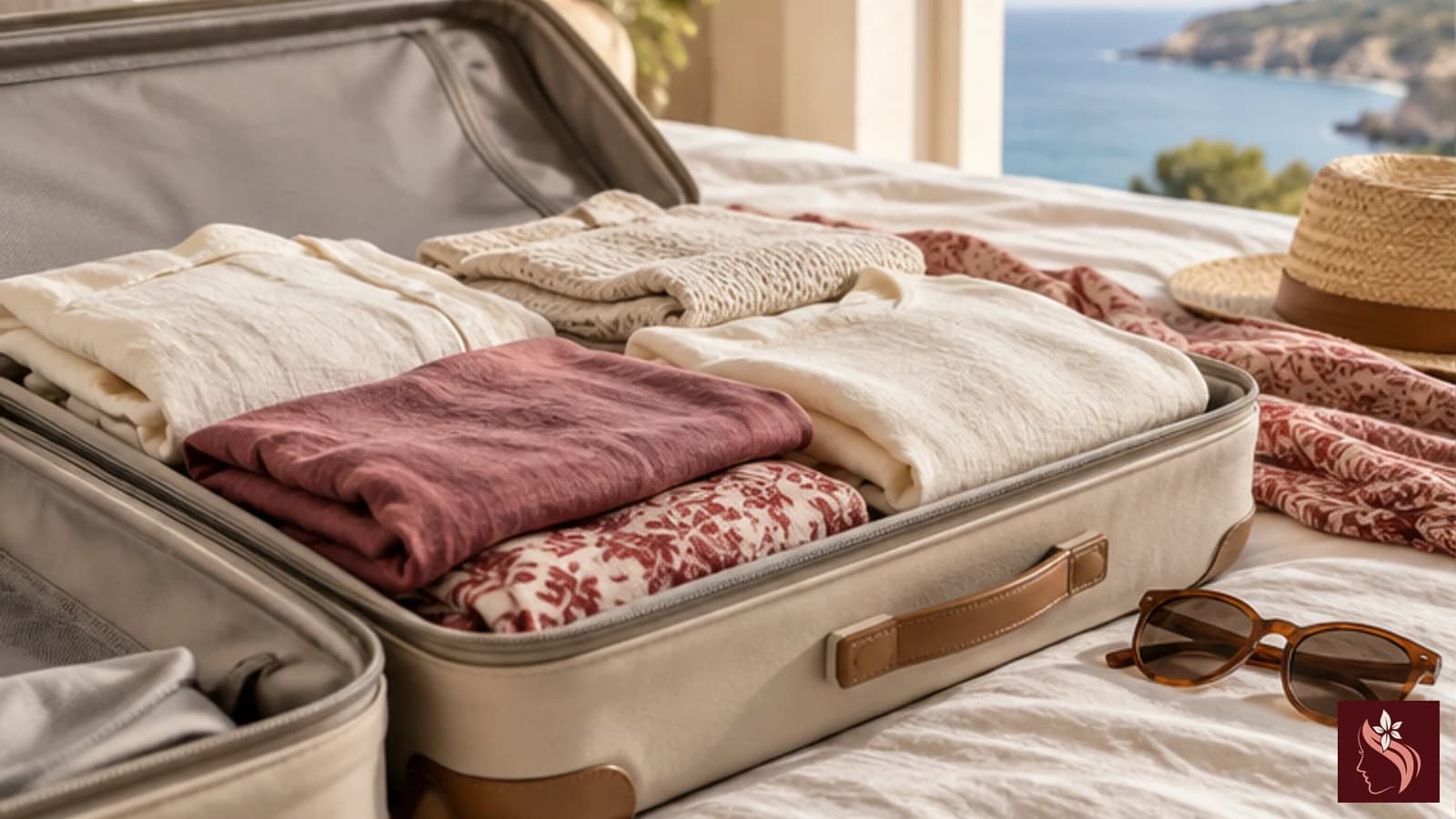
Lay out a few tops, bottoms, dresses, layers, and shoes from your closet and build combinations for each planned activity. A top that works with two bottoms can reduce packing while still providing options; a dress may serve for a daytime meal and a more polished evening with a layer or accessory. These are flexible formulas, not a quota or claim that a certain color palette is universally mixable. Choose clothes you have worn before when the trip involves an important event or long walking day. Familiarity can make it easier to know how a garment feels and what care it needs.
Use a written outfit matrix to catch gaps before you pack. Rows can represent trip days or activity types, while columns identify tops, bottoms, layers, shoes, and accessories. Repeating a garment is a personal preference and may depend on weather, sweat, laundry access, or the event. Do not judge a traveler for bringing more items or fewer items than a capsule guide suggests. If a piece serves only one event, decide whether that role matters enough to pack it. The matrix is a planning tool that can be adjusted when the itinerary changes.
Check fabric, layers, and garment care
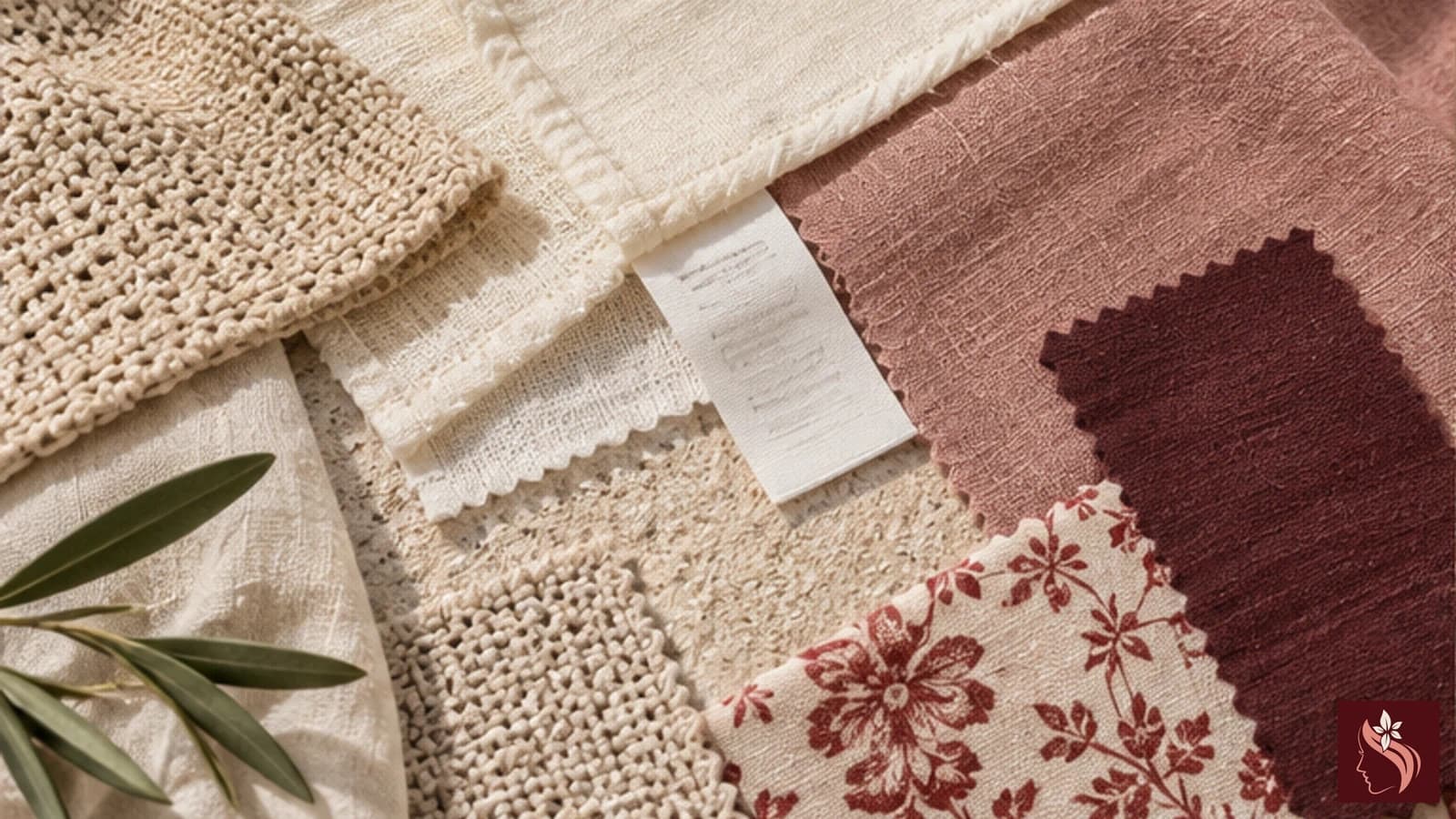
Read fiber content and care information for clothes you plan to bring. The FTC explains that most covered textile products carry fiber and origin disclosures, while the Care Labeling Rule addresses care instructions for covered apparel. Fiber composition is useful information, but it alone does not prove that a piece is cool, quick-drying, wrinkle resistant, or comfortable in heat. Construction, weave, weight, fit, and activity also matter. If a product listing makes a performance claim, keep it attributed to the maker and look for the conditions or testing details rather than turning a fabric label into a guarantee.
A garment that needs special care may be inconvenient when the trip has no laundry option. Check whether the tag says machine wash, hand wash, line dry, or another method and consider whether you can follow those directions while traveling. Do not assume that a natural fiber is automatically cooler or that a synthetic blend is automatically easier to maintain. If an item wrinkles, needs pressing, or takes longer to dry, that may affect your packing choice. This is a personal logistics assessment, not a claim that one material performs best in every climate.
Sources: www.ftc.gov; www.ftc.gov
Plan for baggage and transit constraints
Before packing, check the current baggage allowance and size limits for the airline, rail operator, bus company, cruise line, or other carrier you will use. Rules vary by carrier, ticket, route, and date, so do not rely on a universal carry-on measurement from a fashion article. If you are using a small bag, measure the bag according to the carrier's method and leave room for personal items, toiletries, and any required equipment. A capsule can help organize a bag, but it cannot guarantee that the bag meets a carrier's weight or size policy.
Think through how clothes will be packed, accessed, and worn during transit. Wear the bulkiest layer if it suits your route, keep a spare top accessible if your travel day is long, and avoid packing a delicate outfit where it could be crushed if you need it soon after arrival. These are optional organization ideas. Baggage needs depend on weather, mobility, trip length, and personal requirements. If a traveler needs special clothing or medical support items, those needs take priority over a minimal packing challenge.
Sources: www.ftc.gov

Use laundry access and repeat-wear preferences as variables
Laundry availability can change the number of items that make sense. Confirm whether a hotel, rental, or destination has a washer, dryer, line, or paid service, and check any posted instructions. A quick-drying claim should be treated as a maker statement unless tested under a described method. You can plan to rewear a garment if it remains comfortable and appropriate for the next activity, but do not assume all clothing can be reworn after every type of use. Warm-weather travel, active excursions, and personal preferences vary. The reader decides what level of repetition feels practical.
Keep a small care plan with the trip: which clothes need a particular wash method, whether a stain requires prompt attention, and what can be air dried. Follow each label rather than internet cleaning hacks. The FTC care guidance explains the role of care information; it does not provide a universal method for every textile blend. If a tag is unclear, ask the maker or a qualified cleaner. A product's fiber content does not replace its specific care directions. This detail can prevent a favorite piece from becoming a poor travel choice simply because its maintenance needs were overlooked.
If laundry access is uncertain, plan a fallback rather than assuming a sink wash will suit every garment. Check whether the tag allows hand washing, whether there is a safe place to dry the item, and how long the garment may take to be ready. Do not use a generic travel hack on a delicate or structured piece without checking its instructions. A second top or a different garment may be a more practical backup. The choice depends on your itinerary and comfort with rewearing, not a minimal-packing score.
Sources: www.ftc.gov; www.ftc.gov
Choose shoes and accessories by the activities
Shoes can occupy significant bag space, so plan them around the activities and surfaces in the itinerary. A comfortable walking shoe, dressier option, sandal, or activity-specific shoe may be relevant, but there is no universal pair that works for every destination. Consider break-in time, weather, venue expectations, and how much walking you expect. Do not take a new shoe on a long trip without first understanding how it feels to you. A product listing's comfort language is a maker claim, not a fit test performed by Her Glamness.
Accessories can add function as well as style: a hat, sunglasses, belt, scarf, or small bag may fit a particular trip need. Check local event or venue guidance where relevant. If you buy a new item, verify the exact size, material, and care information, and let the merchant show live pricing and stock. Keep affiliate recommendations directly connected to the itinerary problem rather than inserting unrelated products. A travel visual may show a generic outfit and accessories; it should not imply that those exact items are for sale or endorsed after hands-on testing.
Sources: www.ftc.gov; www.ftc.gov
A packing worksheet that stays useful after plans change
Make a flexible list with trip dates, expected activities, destination weather check date, laundry access, carrier baggage rules, outfit combinations, and garment-care notes. Add any item that supports a specific activity, then mark its purpose. If you cannot explain why an item belongs, reconsider it; if an important role is missing, add an option from your closet before shopping. A worksheet can reduce last-minute packing, but it should not become a test of how little you can bring. Leave room for personal and accessibility needs, souvenirs, and changes to the schedule.
Refresh the plan if the carrier changes an allowance, the itinerary adds an event, or the forecast shifts. Seasonal travel guides can become stale if destination or product assumptions are left untouched. When the article recommends named items, verify exact merchant listings, measurements, fabric disclosures, and care details, and note the date. Current prices and availability belong with the merchant. In this draft, the visuals are generated editorial illustrations and the outfit formulas are not product-tested. The article can be useful without a shopping list if it gives readers a process they can reuse.
Sources: www.ftc.gov; www.ftc.gov
Conclusion
A summer travel capsule should follow the itinerary, destination conditions, laundry access, carrier limits, and the clothing you already find comfortable. Build outfit combinations, check exact care labels and size information, and pack around your own needs rather than a fixed item count. Verify current transport rules and weather close to departure, and treat product claims and illustrative outfits as untested unless an editor documents a hands-on review.
Frequently Asked Questions
How many outfits should I pack for a week?
There is no universal count. Consider itinerary, laundry access, weather, baggage limits, and how often you are comfortable rewearing garments.
What fabrics are best for summer travel?
No fiber works best for every person and climate. Compare exact fiber disclosures, construction, care instructions, and maker claims, and choose based on your needs.
Should I pack a jacket for a summer trip?
Check the destination forecast and planned indoor/outdoor settings. A light layer can be useful for some itineraries, but the choice depends on actual conditions.
Are carry-on size rules the same across airlines?
No. Check the current allowance and measurement method from the carrier on your itinerary.
Sources
- www.ftc.gov (checked 2026-10-28)
- www.ftc.gov (checked 2026-10-28)
- www.primark.com (checked 2026-10-28)