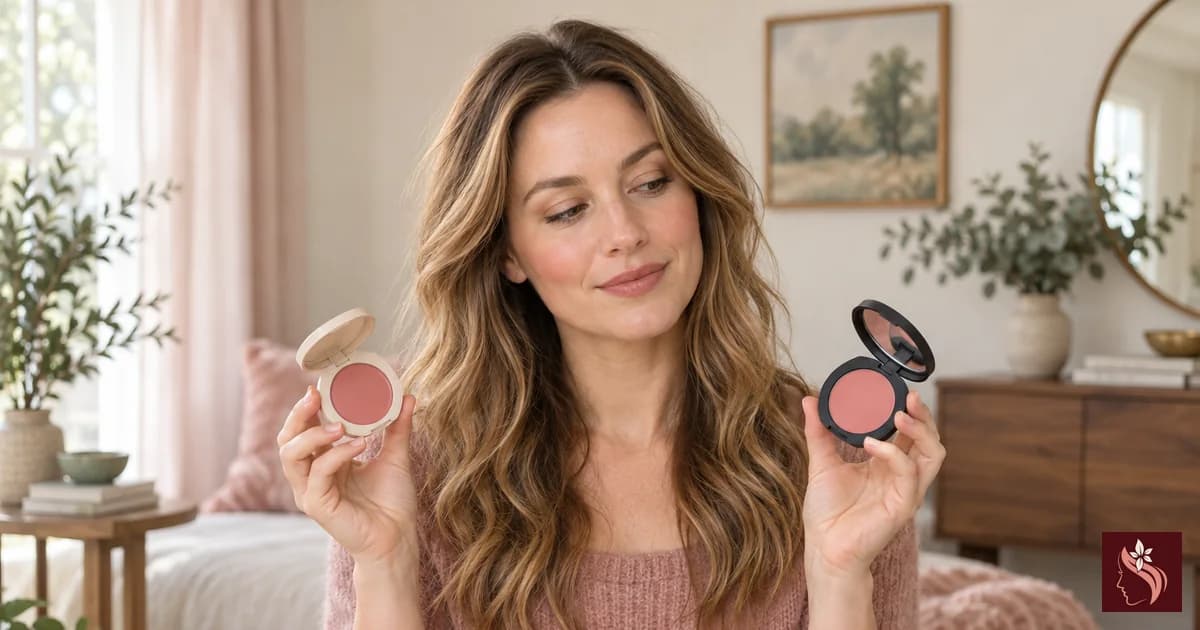
Start with the format, not a promise about your skin
Cream blush and powder blush describe broad product formats, not two perfectly uniform formula families. A cream can be packaged in a pot, stick, compact, or tube; a powder may be pressed or loose. Some products change texture as they are blended or are explicitly described as cream-to-powder. Ingredients, pigment level, finish, directions, and package design vary by product. That is why a category comparison can help you shortlist, but the exact label and formulation should guide the final choice.
The useful question is not which format is objectively best. Ask what you want the product to do in your routine: add a soft wash of color, offer a compact for travel, layer over another product, work with a brush or fingers, or provide a finish you enjoy. Her Glamness does not claim to have tested every blush in a category. Product-specific performance statements belong to the manufacturer unless our editors document a hands-on test on the exact variant.
What a cream label and package can tell you
Cream blush usually feels pliable in the pan or stick, but the word cream alone does not tell you whether a formula is balm-like, dense, sheer, glossy, matte, or quick-setting. Look at the maker's stated finish, recommended application, ingredient declaration, and any warnings. A product described as cream-to-powder is still a particular formula, not proof that every cream blush dries down the same way. Check whether the packaging includes a direct applicator and whether the directions expect you to use clean fingers or a separate tool.
For a first application, use a small amount on the back of a clean hand or a disposable palette rather than repeatedly touching a pot. Tap a little color onto the cheek and blend the edge with a clean fingertip, brush, or sponge if the directions allow. Add more gradually. If you wear complexion makeup, test the blush over the exact base you use; product layers can interact differently. A creator's video or swatch may suggest a technique, but it does not establish the result you will get with another formula or skin tone.
Sources: e.l.f. Cosmetics — Guide to Different Blush Formulas; e.l.f. Cosmetics — Putty Blush product directions
What a powder label and package can tell you
Powder blush can be pressed into a compact or sold loose, with different levels of pigment and finishes. A pressed pan may be easy to carry; a loose format may need more care to avoid spills. Check the product's directions for a suggested brush, whether the color is described as buildable, and any ingredient or use information relevant to you. Terms like matte, satin, shimmer, or luminous describe a maker's intended finish; photographs can render these effects differently depending on lighting and screen settings.
A clean, soft brush can pick up powder gradually. Tap away excess before touching the cheek, then use light strokes or small circles to blend the border. If you prefer more color, repeat in thin layers and check from a normal viewing distance. Avoid sweeping a loaded brush near the eyes or breathing in loose powder. If you use a cream or liquid complexion base, follow the product makers' layering instructions and try a small area first; the guide should not promise that one order prevents patchiness for all products.
Sources: e.l.f. Cosmetics — Guide to Different Blush Formulas
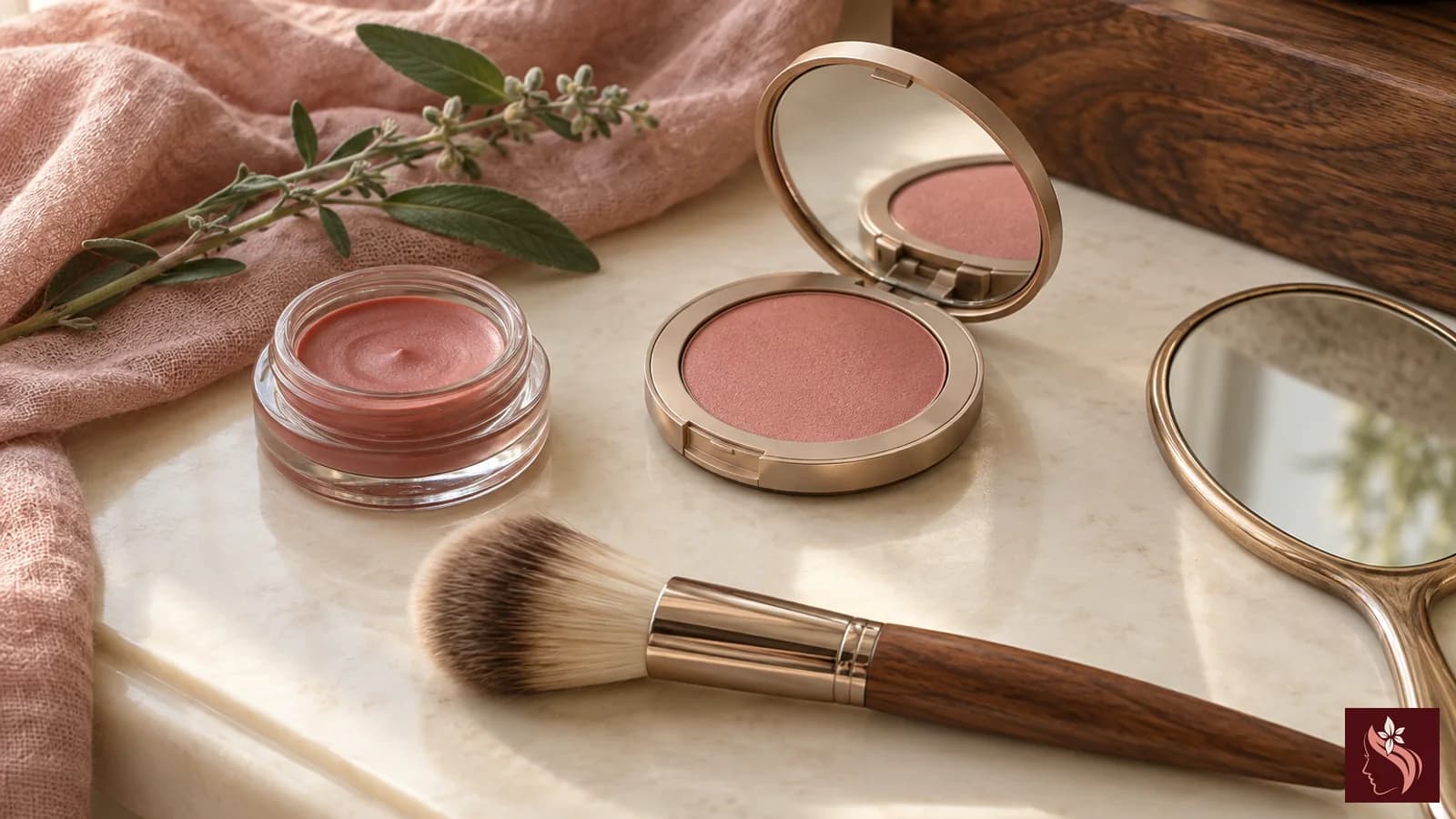
Compare application order without treating it as a rule
A common practical sequence is to place cream or liquid color before applying a face powder, then add powder blush after cream layers if you want more color. However, brand instructions vary, and hybrid formulas do not always behave like a simple cream or powder. e.l.f.'s application guidance for one cream blush describes applying it to a fresh base and reserving face powder for later. That is manufacturer advice for its own product context, not an industry-wide requirement. Read the exact directions and test a discreet area before planning a full look.
If you enjoy mixing formats, you can try a thin cream layer followed by a small amount of powder in a similar color family, or use one format on bare skin. Layering is an option, not a requirement for longer wear. The additional layer may alter the visible finish or intensity, so make small adjustments. If the colors look too strong, soften the border with a clean tool or use a little of the base product to blend it, provided the maker's directions allow. Avoid turning a styling result into a skin-care or treatment claim.
Sources: e.l.f. Cosmetics — How to Apply Cream Blush; e.l.f. Cosmetics — Guide to Different Blush Formulas

Choose an applicator you can keep clean
Fingers give direct control and need no special brush shape, but they should be washed before and after use. A brush can help keep fingers out of a compact or distribute color with a particular shape; it must be cleaned and dried according to its maker's directions. A sponge can diffuse some cream or liquid products, but the amount absorbed and the finish depend on the tool and formula. No applicator guarantees a specific look. Reusable tools should not be shared without careful cleaning, and a damp sponge should be allowed to dry fully between uses.
Check the tool's material, shape, cleaning directions, and replacement guidance before buying. Some brands make specific pairings, such as a tapered blush brush for a cream formula or an angled brush for powder. Those are product and tool recommendations from the maker. You can often use a clean tool you already own if the blush directions permit. Skip any technique that irritates your skin or is difficult to clean. FDA advises reading cosmetic labels, washing hands, and keeping containers clean and tightly closed.
Sources: U.S. Food and Drug Administration — Using Cosmetics Safely; e.l.f. Cosmetics — Guide to Different Blush Formulas
Think about color, finish, and representation
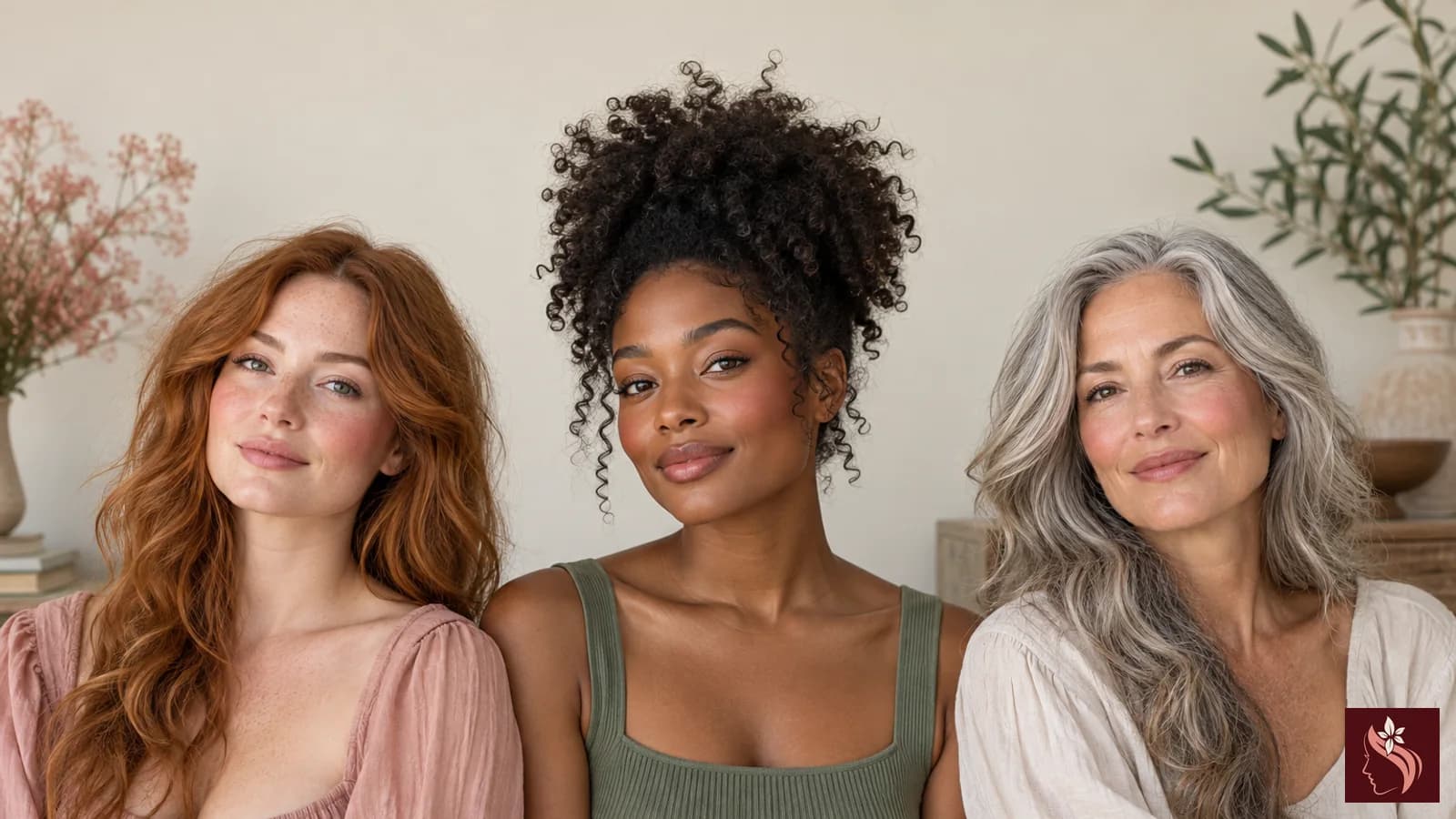
A shade's visible color depends on its pigment, depth, finish, application amount, and the light around you. Product names such as rose, berry, coral, or nude are not reliable undertone measurements and may look different across brands. When available, compare authorized swatches on models with varied skin tones, then look at the shade in a real store or use a clean sample applicator. Do not assume that every shade in a range will be visible in the same way on every person, or that one color family belongs to one skin tone.
Consider where you want color to sit and how much contrast feels like your style. A light tap on the cheek, a more visible placement, or no blush can each work. Photos in retailer listings are helpful context but not a calibrated standard; monitor brightness, lighting, editing, and amount applied all matter. For editorial comparison, we should identify exact shade and formula, date the listing, and distinguish maker claims from our own observed results. Until an item is physically available and tested, we describe specifications and directions only.
For a side-by-side comparison, keep the application amount and light as consistent as you reasonably can. Apply one format to one cheek and the other format to the opposite cheek only if both formulas' directions allow that method; otherwise use separate clean swatches on a palette or a disposable surface. Note the shade, tool, base makeup, and time, and avoid calling one side objectively better based on a single face or one lighting setup. This simple record helps you describe what you personally prefer while leaving room for another reader to choose differently.
Sources: e.l.f. Cosmetics — Guide to Different Blush Formulas
A practical comparison checklist
This checklist keeps product facts apart from personal preferences. A product page can support a statement about its format or stated finish; it cannot prove that the shade will flatter every wearer. A documented hands-on review can add observed texture and use details for a specific shade and date, but it should not turn one editor's result into a universal skin-type claim.
- Confirm whether the exact item is cream, powder, loose powder, pressed powder, or a hybrid formula.
- Read the brand's finish, application, ingredient, and warning information for that variant.
- Choose packaging that fits your storage and travel habits.
- Use a clean finger or tool and start with a small amount.
- Try the blush over the base products you actually wear, if any.
- Compare shade swatches in neutral lighting and treat screen images as estimates.
- Check current merchant price, availability, return terms, and exact shade selection before purchase.
Sources: e.l.f. Cosmetics — Guide to Different Blush Formulas; U.S. Food and Drug Administration — Using Cosmetics Safely
Conclusion
Cream and powder blush differ in format, packaging, and the ways brands direct people to apply them, but neither category has one guaranteed finish or universal advantage. Compare the exact formula, label, shade, and tool guidance, then choose the texture and application method that fit your routine. Start with a small amount and build only if you want more visible color.
Clean hands and tools, check ingredients and directions, and let authorized product information guide your comparison. If you prefer one formula, a hybrid, or no blush at all, each is a complete personal choice. Merchant pages provide current pricing, availability, and return terms at the time you shop.
Sources: e.l.f. Cosmetics — Guide to Different Blush Formulas; U.S. Food and Drug Administration — Using Cosmetics Safely
Frequently Asked Questions
Is cream blush better than powder blush?
Neither format is best for everyone. Compare the exact formula, directions, finish description, packaging, and the applicator you prefer.
Can I put cream blush over powder?
Check the instructions for both exact products and test a small area. Some brands advise applying cream blush before face powder, but formulas vary.
Can I apply blush with my fingers?
Some cream blush makers allow finger application. Wash your hands, take a small amount, and follow the product directions.
Does powder blush last longer than cream blush?
Wear time depends on the exact formula, application, environment, and individual use. A category label alone cannot establish a guaranteed duration.
How do I choose a blush shade for my skin tone?
Use current brand swatches and descriptions as starting points, then compare the exact shade in consistent light when possible. Product photos are estimates.
Do I need to set cream blush with powder?
No. Setting is optional. Follow the blush directions and use powder only if you want to compare that finish or layering approach.
Sources
- e.l.f. Cosmetics — Guide to Different Blush Formulas (checked 2026-10-28)
- e.l.f. Cosmetics — How to Apply Cream Blush (checked 2026-10-28)
- e.l.f. Cosmetics — Putty Blush product directions (checked 2026-10-28)
- U.S. Food and Drug Administration — Using Cosmetics Safely (checked 2026-10-28)