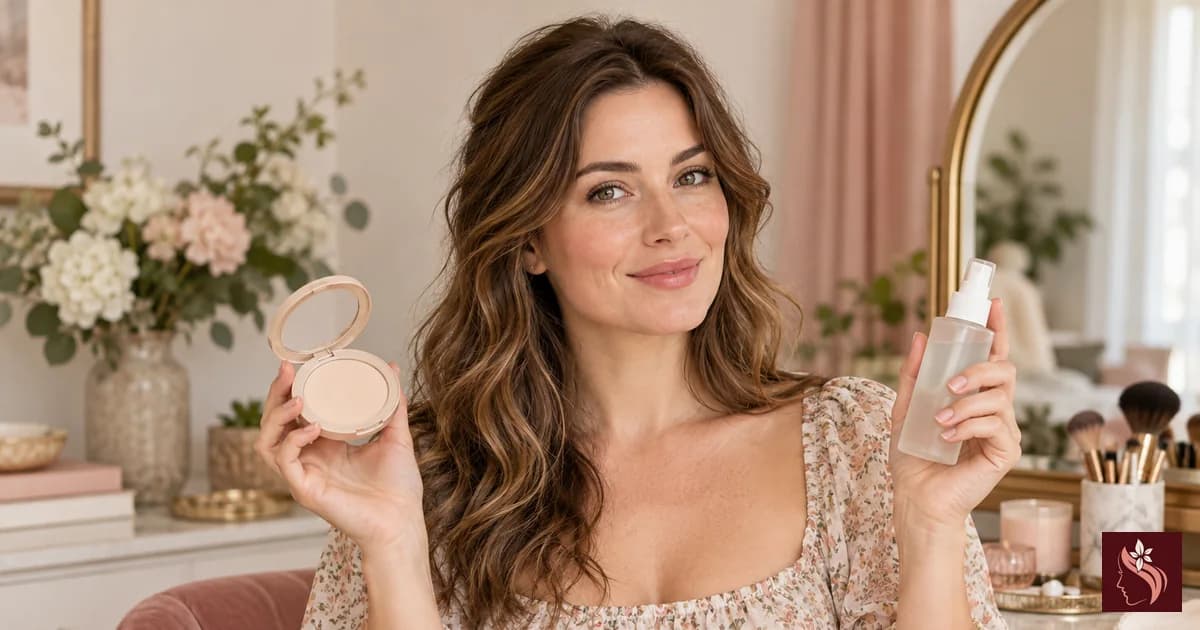
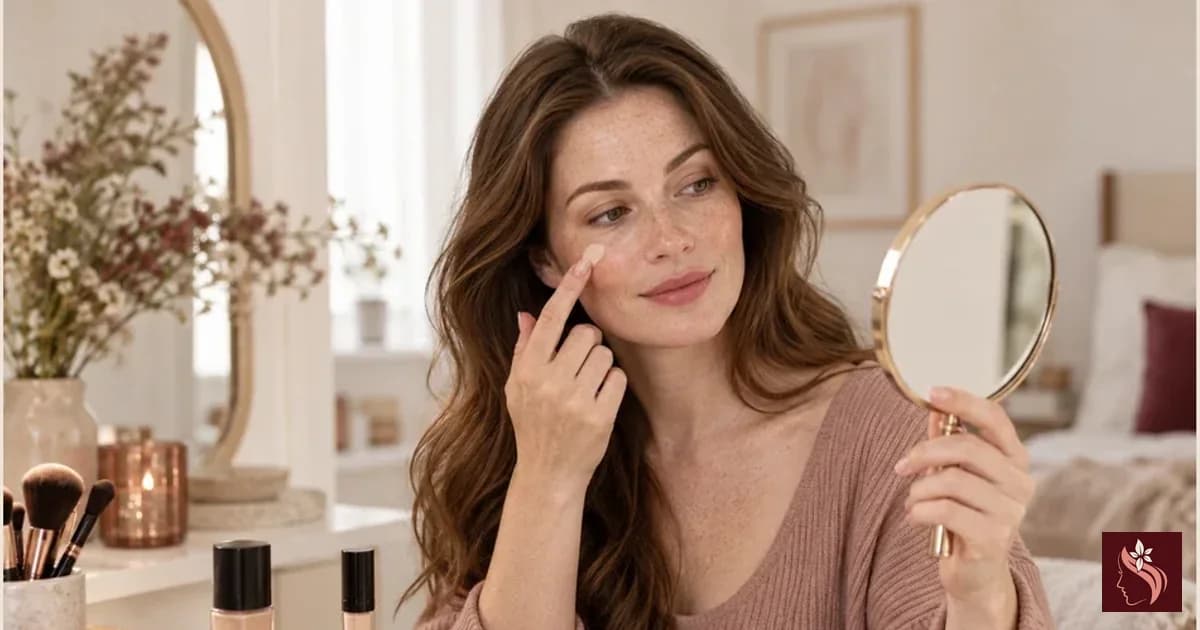
The difference is mainly the area and purpose you choose
Foundation is commonly used as a complexion base across a larger area of the face. Concealer is commonly used more selectively, where someone wants extra or different coverage. Those are practical descriptions of how shoppers and makers often use the terms, not rigid rules. A foundation does not have to cover the whole face, and concealer does not have to be reserved for a single spot. You can use one, both, or neither, depending on the look you want and the directions for the specific formula.
The current product landscape also includes formulas that blur the names. A concealer collection can include listings described as all-over face products or as two-in-one foundation and concealer, while foundation collections include powders, liquids, creams, and sticks. On October 28, 2026, MAC’s US foundation collection presented multiple formats and coverage descriptions; its concealer collection used fields such as formulation, finish, coverage, and benefits. This dated listing snapshot shows why the word on the package is only one part of a useful comparison.
The simple starting point is to decide where you want color or coverage, then inspect the maker’s description of the exact item. If you want a sheer overall layer, a foundation with that stated coverage may be enough. If you only want a small area covered, a concealer may be the more direct step. If the product listing says it is designed for both roles, read its directions and coverage description rather than assuming it behaves like every product in either category.
Sources: M·A·C Cosmetics US — Foundation collection and current formats/coverage language; M·A·C Cosmetics US — Concealer collection and current coverage/finish filters
Foundation: an optional base over a wider area
Foundation is available in different textures and finishes, and the word does not specify one level of coverage. Current brand listings may describe a formula as sheer, light, medium, full, buildable, natural, matte, radiant, or another term. These words describe the maker’s own product. They are not a universal grading scale that lets you compare two brands as if they had been tested side by side. Check the precise variant, shade, directions, and current product page.
A wider application area does not mean foundation must go everywhere. Some people apply a small amount only to areas where they want a more even-looking base, then blend the edges. Others use a broader layer or skip it. Choose an amount and placement that feels comfortable and fits your preference. Natural skin texture and color variation are ordinary; they do not need to be concealed to make makeup complete.
Products sold under the foundation label can vary by format. A powder, stick, liquid, or cream may call for different amounts or tools. Follow the brand’s own application directions and start with less if you are unsure how much you want. If the result feels too heavy, you can remove or blend it according to the maker’s directions rather than adding several extra layers in an attempt to fix it.
Sources: M·A·C Cosmetics US — Foundation collection and current formats/coverage language
Concealer: a targeted option, not a mandatory step
Concealer is often chosen when someone wants focused coverage or a different finish in a selected area. It may be used under the eyes, around the nose, or on another small area, but none of these placements is required. A product’s label and application directions take priority over generic advice. If a formula is marketed for more than one role, its maker may provide separate directions for those uses.
Coverage terms for concealer vary too. A brand may describe a product as medium, full, buildable, radiant, matte, or long-wearing. Those are current product claims, not an independent test result from Her Glamness. The exact formula, amount, shade, application, lighting, and individual preference can affect what someone sees. Avoid turning a manufacturer’s claim into a guarantee that the product will conceal a particular feature for a certain number of hours on every person.
To try a targeted application, use a small amount on clean skin and blend only the edge with a clean fingertip or a tool the manufacturer recommends. Build gradually if you want more visible coverage. A lighter shade is not automatically the right choice for every use, and concealer is not required to be brighter than foundation. Compare the selected shade with the surrounding area in consistent light and check the brand’s shade guidance.
Sources: M·A·C Cosmetics US — Concealer collection and current coverage/finish filters; U.S. Food and Drug Administration — Using Cosmetics Safely
Choose by the result you want, not by a fixed routine
If you want an even-looking base over a wider area, start by comparing foundation coverage and finish descriptions. If you want to add color only to selected areas, compare concealer descriptions and shade options. If one area needs less coverage than another, you can use a lighter application rather than buying a second product. These are makeup choices, not instructions to hide pigmentation, freckles, redness, texture, or any other natural feature.
For a very minimal routine, a concealer alone may provide the amount of coverage you want in a few places. A sheer foundation alone may be enough if you prefer a more uniform layer. Some people like using both; others find that layering is unnecessary. A two-in-one item may be worth comparing if you want fewer steps, but check its coverage description and the directions for each intended use. Product names by themselves cannot tell you how much coverage you will personally prefer.
You can also decide that neither product fits your routine. Makeup is optional. A primer, powder, blush, or lip product is not needed to validate a complexion choice. If the question is about treating a skin condition or changing skin function, a cosmetic tutorial cannot answer it; speak with a qualified health professional and read product claims carefully.
Layering: apply the least amount that serves your preference
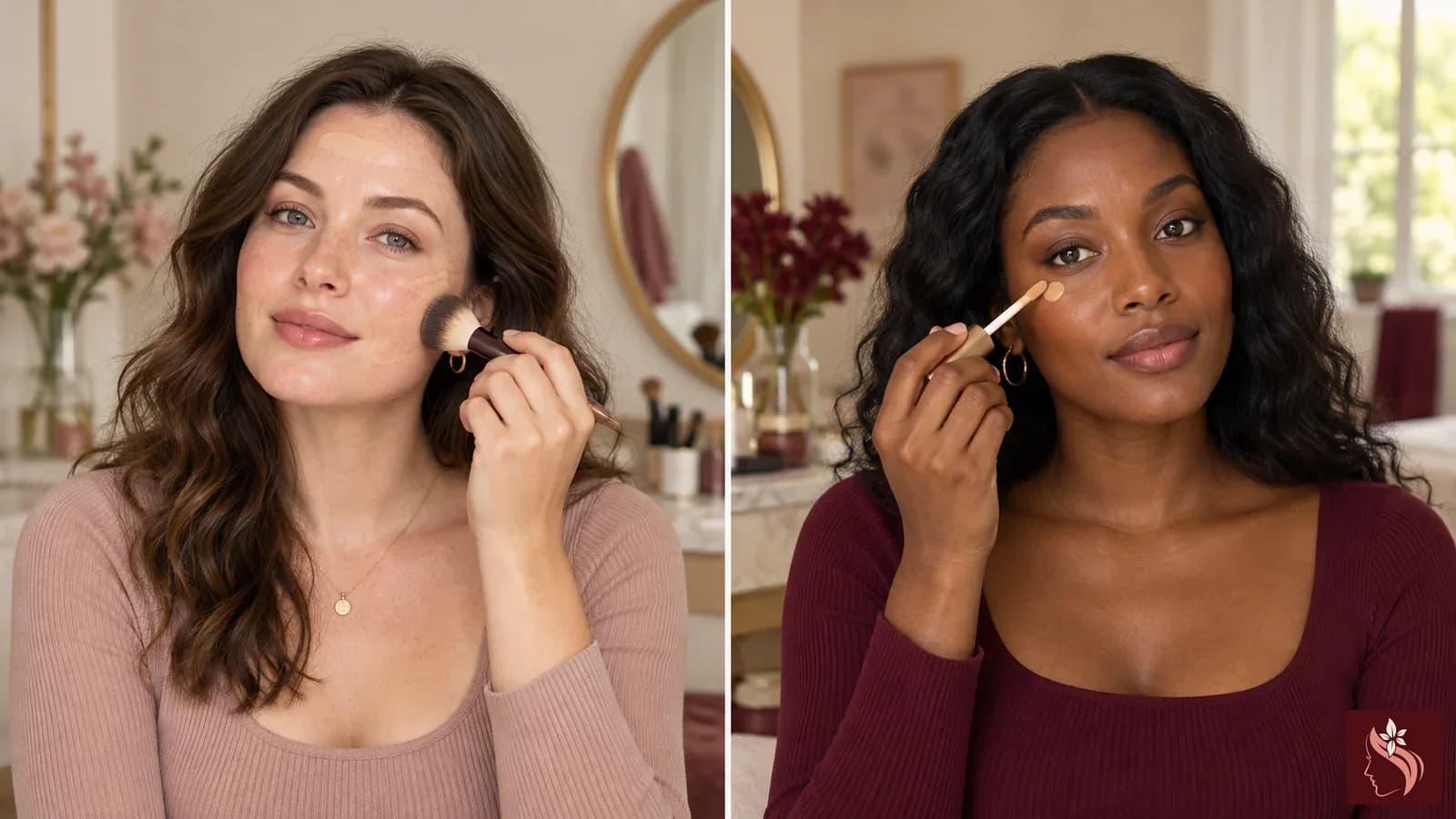
When using both products, a common approach is to apply a small amount of foundation where desired and then add concealer only to selected areas if you want extra coverage there. This is a flexible styling sequence, not a rule. If the two products move, pill, or feel uncomfortable together, consult their directions, use less, or leave one out. Different formulas can layer differently, so an online routine cannot guarantee compatibility between every pair.
Let a layer settle for a moment if that helps you see where more product is needed. There is no universal waiting time for all formulas. Use a clean tool or clean hands, and avoid rubbing repeatedly over delicate areas. If you use powder, apply it only where you want that finish and follow its directions. More layers do not automatically mean a better result or longer wear.
If your makeup separates or looks uneven, check whether you applied too much, whether a layer was still wet, and whether the makers give a recommended sequence. Change one variable at a time so it is easier to see what you prefer. Do not use discomfort as a cue to cover the area with more product. Stop using a cosmetic that irritates you and follow appropriate professional guidance if the reaction persists.
Sources: U.S. Food and Drug Administration — Using Cosmetics Safely

Shade and undertone need their own check
Foundation and concealer shades may use different naming systems even within the same brand. A foundation shade that looks close in one line does not guarantee the same name or undertone description in another formula. Read the current shade chart for each exact item, and treat words such as cool, warm, neutral, olive, golden, or peach as brand-specific labels. Depth and undertone are related but separate pieces of information.
If you are comparing shades, look at the product’s own swatches and model photos in consistent lighting. Screen settings can change color, and a swatch on the hand may not predict how a formula looks on the face. A store sample or shade-matching service may help, but follow hygiene guidance and use fresh single-use applicators where offered. Confirm a merchant’s current sample or return rules before you rely on them.
A mismatch does not mean a person’s skin is difficult or unusual. It may mean the current range does not have a suitable color, the display is misleading, or the chosen undertone language is not a match. A wider shade count is useful data but does not guarantee the specific shade you need is in stock or available in every formula and market.
Sources: M·A·C Cosmetics US — Foundation collection and current formats/coverage language; M·A·C Cosmetics US — Concealer collection and current coverage/finish filters
Ingredient, safety, and skin-condition limits
Foundation and concealer are makeup products, and US FDA consumer guidance includes foundation among cosmetics. Read each item’s ingredient list, label, warnings, and directions. FDA advises consumers to wash their hands before using cosmetics, avoid sharing makeup, keep containers clean and closed, and stop using a product if irritation occurs. Do not interpret a coverage claim as treatment for acne, hyperpigmentation, rosacea, or another condition.
If you have a known allergy, a diagnosed skin condition, recent treatment, or clinician instructions, this comparison cannot determine which formula is suitable for you. Check the full ingredients and ask a dermatologist, clinician, or pharmacist about your personal circumstances. Product words such as hypoallergenic do not guarantee that an individual will not react. Seek professional care for persistent or severe symptoms rather than trying to conceal them with another layer.
Sunscreen claims require a separate label check. If a foundation or concealer listing includes SPF, review the exact label and directions; FDA states that makeup marketed with sun-protection claims can be regulated as both a cosmetic and a drug. Do not infer sun protection from the word foundation, the brand family, or another product in the range. Follow sunscreen guidance and the product’s instructions for any sun-protection use.
Sources: U.S. Food and Drug Administration — Makeup; U.S. Food and Drug Administration — Using Cosmetics Safely; U.S. Food and Drug Administration — Is It a Cosmetic, a Drug, or Both?
A quick decision checklist before buying
Write down the area you want to cover, the finish you prefer, the shade or undertone you are considering, and whether you want a single product or multiple steps. Compare the exact product pages using the same fields: complete name, selected shade, formulation, stated coverage, finish, directions, ingredients, warnings, package size, price, market, and date checked. If an item has SPF, add its exact sun-protection label and directions to the comparison.
Keep facts and opinions in separate columns. A listing may say medium coverage; that is the manufacturer’s stated claim. A publisher may say a specific variant was tested; that requires a documented testing record. A reader may prefer applying a product with fingers; that is a personal preference. Do not combine these into a broad promise about how a formula will look, feel, or wear on everyone.
Product listings and stock change. Check the current merchant page for price, shade availability, package changes, shipping, and return terms before purchase. Her Glamness shows USD as its base currency and sends readers to the merchant for current pricing. A dated retailer price or product description should not be presented as a permanent offer.
Conclusion
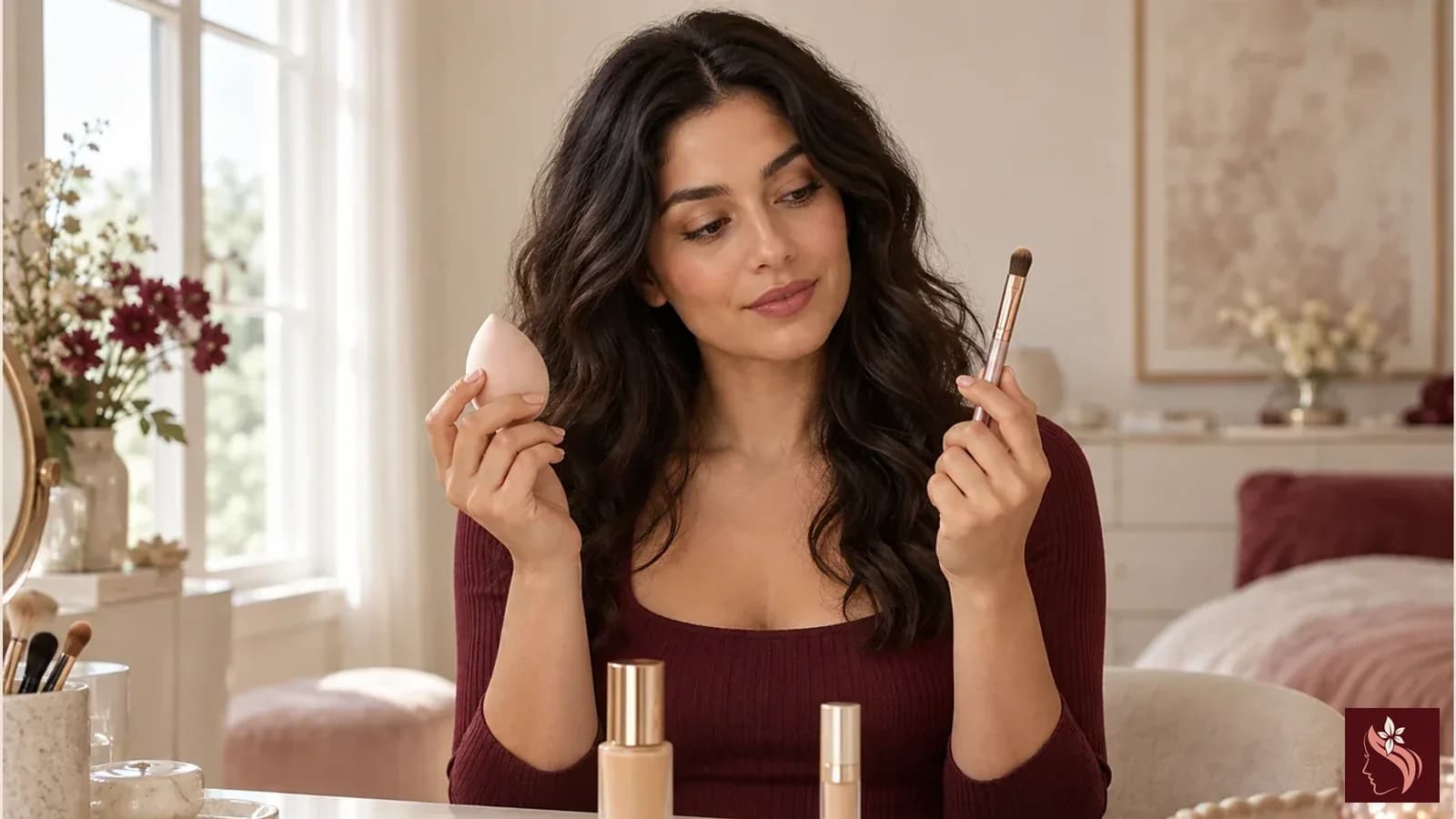
Foundation and concealer usually differ in the area and purpose a shopper chooses: foundation is often used as a broader complexion base, while concealer is often applied selectively. These are flexible roles. Current product listings include multiple formats and coverage descriptions, and some items are marketed for more than one role, so the exact label and directions matter more than a fixed rule.
Choose the amount of coverage you want, compare the exact formula and shade, and use only the steps that feel useful to you. Foundation, concealer, both, and neither can all be reasonable choices. Keep manufacturer claims clearly attributed, follow cosmetic directions and hygiene guidance, and ask a qualified professional about personal skin or safety questions.
Sources: M·A·C Cosmetics US — Foundation collection and current formats/coverage language; M·A·C Cosmetics US — Concealer collection and current coverage/finish filters; U.S. Food and Drug Administration — Using Cosmetics Safely
Frequently Asked Questions
Do I need foundation and concealer?
No. Either one, both, or neither may suit your routine. Choose based on the area and finish you want, and follow the directions for each formula.
Should foundation go on before concealer?
Some people apply foundation first, then add concealer only where they want more coverage. This is flexible; follow the makers' directions and adjust the order if the formulas work better another way.
Can I use concealer instead of foundation?
Yes, if targeted application gives you the result you prefer. Concealer does not have to be used only under the eyes or over every mark.
Can foundation be used as concealer?
A foundation can be applied to a smaller area if its directions allow and you like the result. Use a small amount and blend the edges; a separate concealer is optional.
Is a lighter concealer always better?
No. Shade choice depends on the effect you want and the product's undertone and depth. Check the exact brand shade guide and compare in consistent light.
Can foundation or concealer treat acne or dark spots?
This article does not make treatment claims. Makeup may be marketed for cosmetic coverage, but a cosmetic tutorial cannot diagnose or treat a skin condition. Ask a qualified health professional about treatment questions.
Sources
- M·A·C Cosmetics US — Foundation collection and current formats/coverage language (checked 2026-10-28)
- M·A·C Cosmetics US — Concealer collection and current coverage/finish filters (checked 2026-10-28)
- U.S. Food and Drug Administration — Makeup (checked 2026-10-28)
- U.S. Food and Drug Administration — Using Cosmetics Safely (checked 2026-10-28)
- U.S. Food and Drug Administration — Is It a Cosmetic, a Drug, or Both? (checked 2026-10-28)