

Hooded lids are a feature, not a problem to fix
Hooded eyelids describe a range of natural eye shapes in which skin from the brow area rests over some of the mobile lid when the eyes are open. The amount of visible lid can vary from person to person and can look different when the face is relaxed, smiling, or photographed. It is not a defect, a diagnosis, or a reason to follow a rigid set of rules. Eye makeup is optional decoration; the goal of this guide is to help you see and adjust your own placement, not to make every eye look the same.
Some online tutorials use close-up images with the eyes shut or a heavily lifted brow. Those views can hide how a shape reads in ordinary conversation. Work with your eyes relaxed and open at a comfortable mirror distance. If you use glasses, contacts, or have limited vision or eye comfort, adapt the method to what you can see safely. A soft wash of color, liner alone, or bare lids can all be finished looks. Pick one small experiment instead of buying a complete set of products.
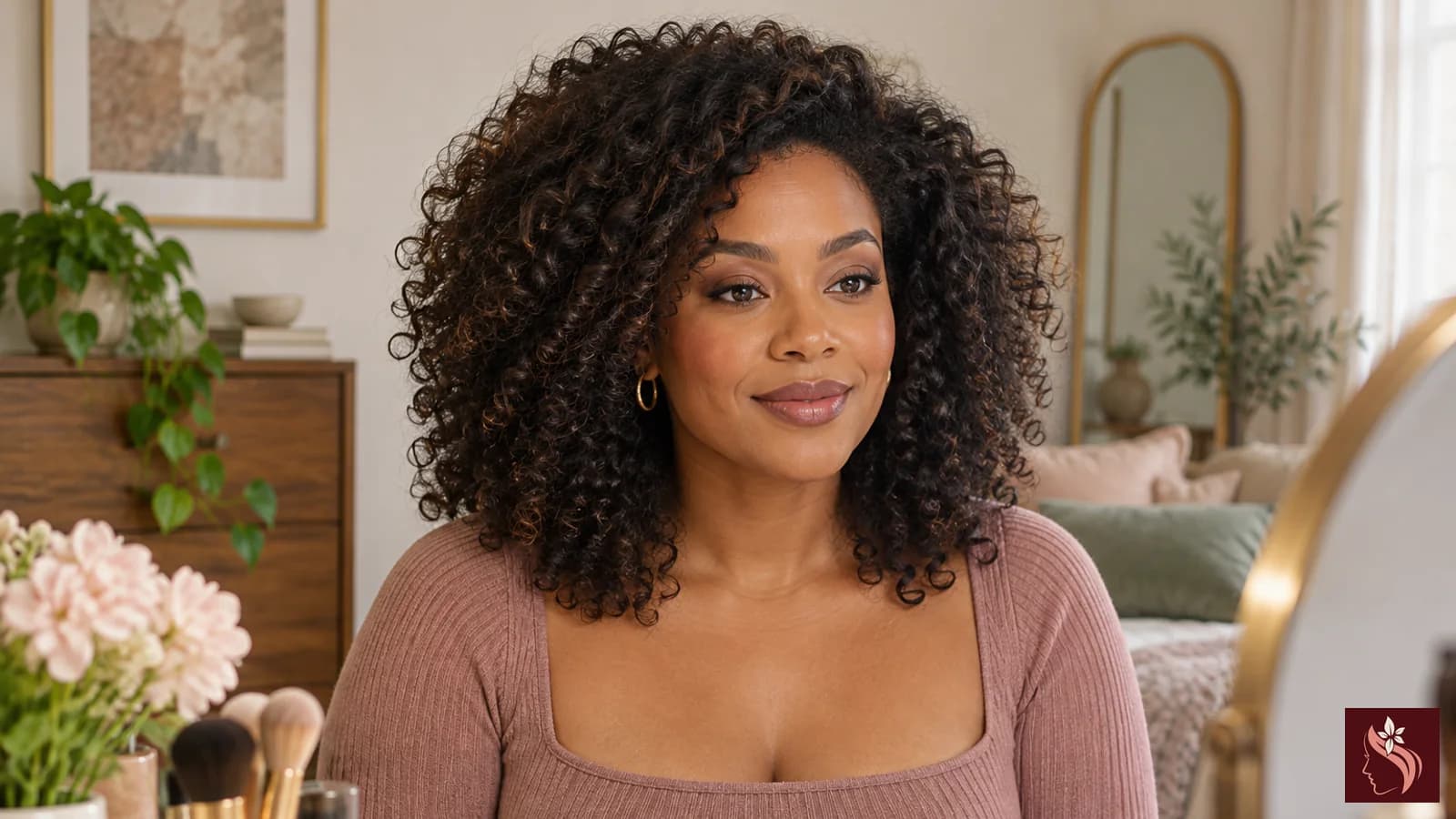
Set up a comfortable, clean workspace
Wash and dry your hands, arrange the mirror at eye level, and use clean tools. Choose products whose labels say they are intended for the eye area. Keep pencils, brushes, and applicators steady; sit down rather than applying makeup in a moving vehicle. The FDA advises not sharing eye cosmetics, keeping containers clean, and stopping a product if it irritates. If you have an eye infection or inflammation around the eye, pause eye makeup until the area heals and discard products used during the infection according to FDA guidance.
If you wear contact lenses, follow your eye-care professional's instructions. FDA consumer guidance says to insert lenses before applying cosmetics and remove lenses before removing makeup. Check the label and ingredient declaration for each exact product. Words such as hypoallergenic do not guarantee that no individual will react. If you have a diagnosed eye or skin condition, recent procedure, known allergy, or clinician instructions, ask that professional before changing products or techniques. This tutorial cannot assess personal medical suitability.
Sources: U.S. Food and Drug Administration — Cosmetics Safety Q&A: Eye Cosmetic Safety; U.S. Food and Drug Administration — Everyday Eye Care for Contact Lens Wearers
Map color while your eyes are open
Before picking up shadow, look straight ahead with the brow relaxed. Notice where the natural fold sits and which part of the lid remains visible. You can place a tiny, removable guide dot just above the fold where you want a soft transition color to show with eyes open. Blend the edge gradually rather than drawing a hard line. Close the eye to apply color to the mobile lid, then reopen it to check what remains visible. This open-close check is more useful than copying a crease location from someone with a different eye shape.
A simple three-color layout is one option: a light or medium shade across the visible lid, a slightly deeper shade kept near the outer corner or fold, and a soft highlight only where you like it. These are styling choices, not rules about what makes eyes look bigger. Matte, satin, shimmer, and cream textures can all be explored if their directions permit use around the eye. Start with a small amount and keep the color's upper edge diffused; you can add definition later if you want more contrast.
Sources: M·A·C Cosmetics — Eye Makeup and application guidance
Build a soft daytime placement step by step
First, apply an eye primer only if you already have one and want to use it; M·A·C describes primer as optional in its eye-makeup guidance. Smooth a thin layer according to the product directions and allow it to set if the label says to. Pick up a small amount of a transition shade with a clean, fluffy brush, tap off excess, and blend just above the fold with short, light motions. Keep your head level and check the shape with eyes open. If the color disappears, place a little more where it is visible rather than raising the entire shade toward the brow.
Next, press a lid shade onto the part of the mobile lid that is visible when your eyes are open. A small flat brush or clean fingertip may offer control, depending on the product label. Add a deeper shade in short taps at the outer corner if you enjoy that effect, then blend the border with a clean brush. Use less product near the inner corner and avoid taking color into the eye. Step back from the mirror between layers. Texture and natural skin folds remain visible; there is no need to cover them to complete the look.
Sources: M·A·C Cosmetics — Eye Makeup and application guidance

Choose liner and mascara around your comfort
A thick line can take up some of the lid space that is visible on a particular eye, while a thin line close to the lashes may be easier to see. These are options to try, not universal fixes. You can use a soft pencil on the outer portion, a shadow pressed near the lash line, or skip liner. Keep products on the skin areas named in their directions; do not put a product on the waterline or close to the eye unless its label specifically allows that use. If your lids touch or transfer product, try less product and allow layers to set instead of repeatedly rubbing the area.
Mascara and false lashes are optional. Use applicators while seated and still, do not share them, and never add water or saliva to mascara. FDA guidance advises discarding dried mascara and replacing it three months after purchase. If an eye cosmetic causes irritation, stop using it; seek medical advice if the irritation continues. These hygiene points do not depend on eye shape. If a makeup look feels uncomfortable, remove it gently and choose another style rather than trying to push through discomfort.
Sources: U.S. Food and Drug Administration — Cosmetics Safety Q&A: Eye Cosmetic Safety; U.S. Food and Drug Administration — Eye Cosmetic Safety
Adapt the same idea to different eyes and preferences
A fold can be subtle, prominent, asymmetrical, or more visible on one side. Apply each eye while looking forward, and let one side differ slightly if that is more comfortable. If the brow bone is close to the lash line, keep the blend compact. If more lid is visible, you may choose to extend the color. If your eyes are monolids, deep-set, round, almond-shaped, mature, or simply different from the tutorial model, the same check still applies: place color, open your eyes, and observe the result. Descriptions of eye shape are practical visual language, not fixed categories that determine what looks good.
For a quick version, use one shade where it stays visible with eyes open and soften the edge with a clean brush. For a more defined version, add a second shade only after checking the first. For a special event or photography, test the look in the lighting where it will be seen, because shimmer and contrast can appear different in a camera preview. Do not rely on filters or before-and-after images as a promise of what a technique will do. Makeup photographs vary with lighting, camera distance, and retouching.
Removal, cleanup, and when to pause
Remove eye makeup before bed using a remover suitable for the product and your routine, following the remover directions. Avoid scraping or rubbing the eyeball or delicate skin. Clean brushes and reusable tools according to their maker's instructions and let them dry fully before storage. Keep containers closed and discard products with an unusual odor or color change. If a product irritates your eye or the skin around it, stop using it and follow FDA advice; persistent symptoms warrant professional guidance. Do not use a tutorial to troubleshoot an eye condition.
If you have a known sensitivity, compare the exact ingredient declarations and ask the manufacturer about any ingredient that is unclear. FDA explains that ingredient labeling helps consumers compare products, while terms such as hypoallergenic are not a guarantee. Shared testers can be a contamination concern, so use only clean single-use applicators if you choose to sample. Keep the experience low pressure: a clean, simple look is as complete as a layered one, and no technique is worth compromising eye comfort.
Sources: U.S. Food and Drug Administration — Eye Cosmetic Safety; U.S. Food and Drug Administration — Using Cosmetics Safely
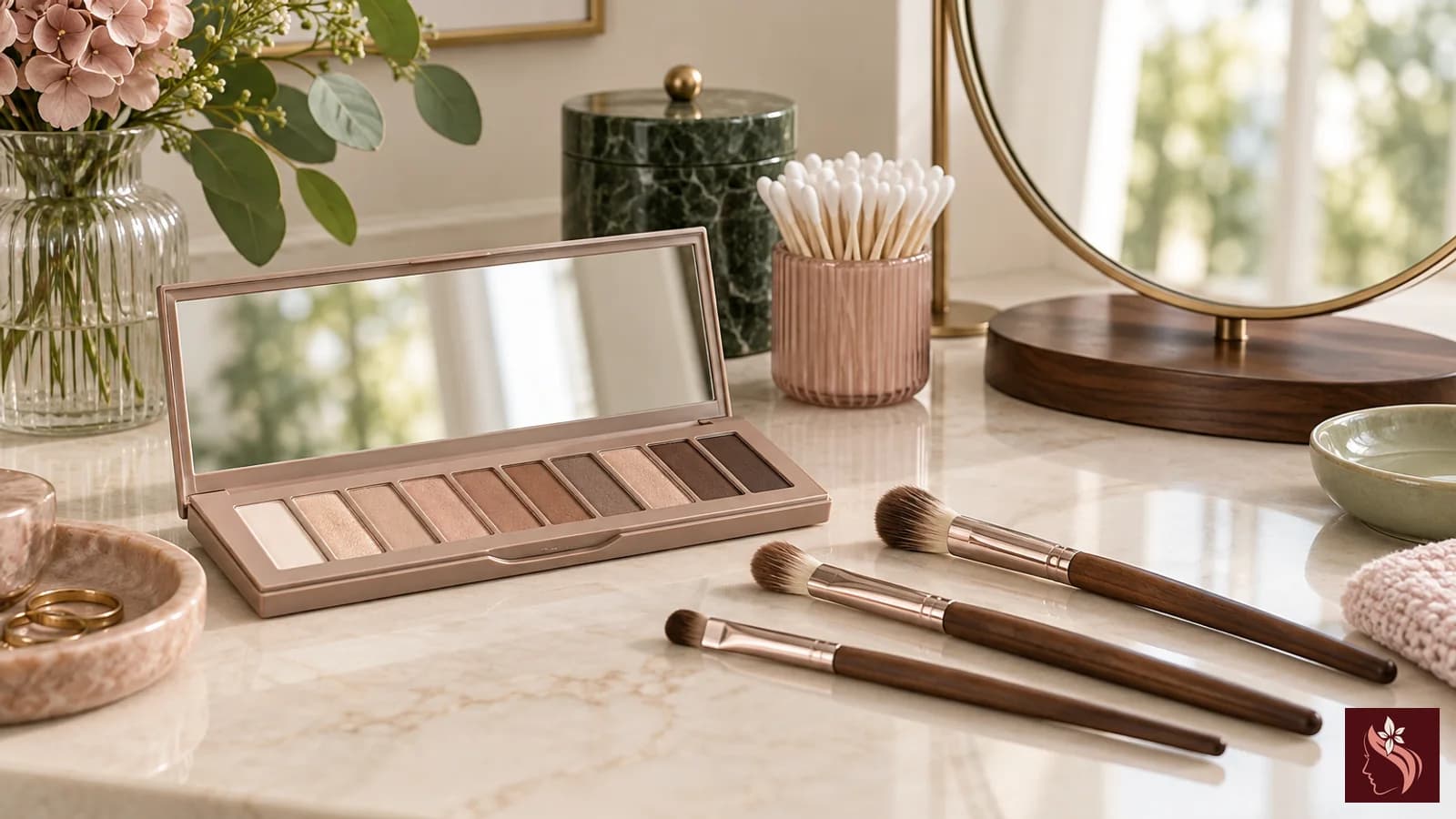
Conclusion
For hooded eyelids, the most useful adjustment is to check placement with your eyes open and relaxed. Let the fold and visible lid guide where you put color, begin with a small amount, and soften edges only as much as you like. A one-shade wash, liner, mascara, or no eye makeup can each be the right choice for a given day.
Keep tools clean, use eye products only as labeled, and stop if irritation occurs. Treat tutorials as adaptable ideas rather than rules about your features. Your finished look does not need to hide a fold or match someone else's eye shape to feel intentional.
Sources: U.S. Food and Drug Administration — Cosmetics Safety Q&A: Eye Cosmetic Safety; M·A·C Cosmetics — Eye Makeup and application guidance
Frequently Asked Questions
Where should eyeshadow go on hooded eyes?
Place color where it remains visible with your eyes open and relaxed. A small amount just above the fold can create a soft transition, but placement is personal and optional.
Should I apply eyeshadow with my eyes open or closed?
Apply to the mobile lid with the eye closed if that is easier, then reopen your eyes to check the result. Mapping the visible area with eyes open helps you adapt the placement.
Do hooded eyes need a cut crease?
No. A cut crease is one style option, not a requirement. A single shade, soft blend, liner, or bare lid can be a complete look.
Can I use eyeliner on the waterline?
Only use an eye product on areas its label specifically permits. Stop using it if irritation occurs and ask a health professional about persistent symptoms.
How do I keep eye makeup tools clean?
Wash hands, do not share cosmetics, keep containers clean, and follow the tool maker's cleaning directions. FDA advises discarding dried mascara and not adding water or saliva.
Does this technique work for mature or asymmetrical eyelids?
The open-eye check can be adapted to many shapes and ages. Apply each side separately and adjust the placement to what is visible and comfortable for you.
Sources
- U.S. Food and Drug Administration — Cosmetics Safety Q&A: Eye Cosmetic Safety (checked 2026-10-28)
- U.S. Food and Drug Administration — Eye Cosmetic Safety (checked 2026-10-28)
- U.S. Food and Drug Administration — Everyday Eye Care for Contact Lens Wearers (checked 2026-10-28)
- M·A·C Cosmetics — Eye Makeup and application guidance (checked 2026-10-28)
- U.S. Food and Drug Administration — Using Cosmetics Safely (checked 2026-10-28)