
Identify the piece before you clean it
The safest jewelry-care routine starts with identification, not a cleaner. A necklace can combine a metal chain, plated surface, solder, glued setting, gemstone, coating, and clasp; a bracelet can have a different mixture. Each part may respond differently to water, friction, heat, solvents, vibration, or a polishing cloth. Look for the maker’s instructions, purchase record, product specification, and any gem or treatment report. If a material is unknown, pause before using a solution or machine. A quick rinse that is acceptable for one item can loosen a setting or damage a vulnerable material in another.
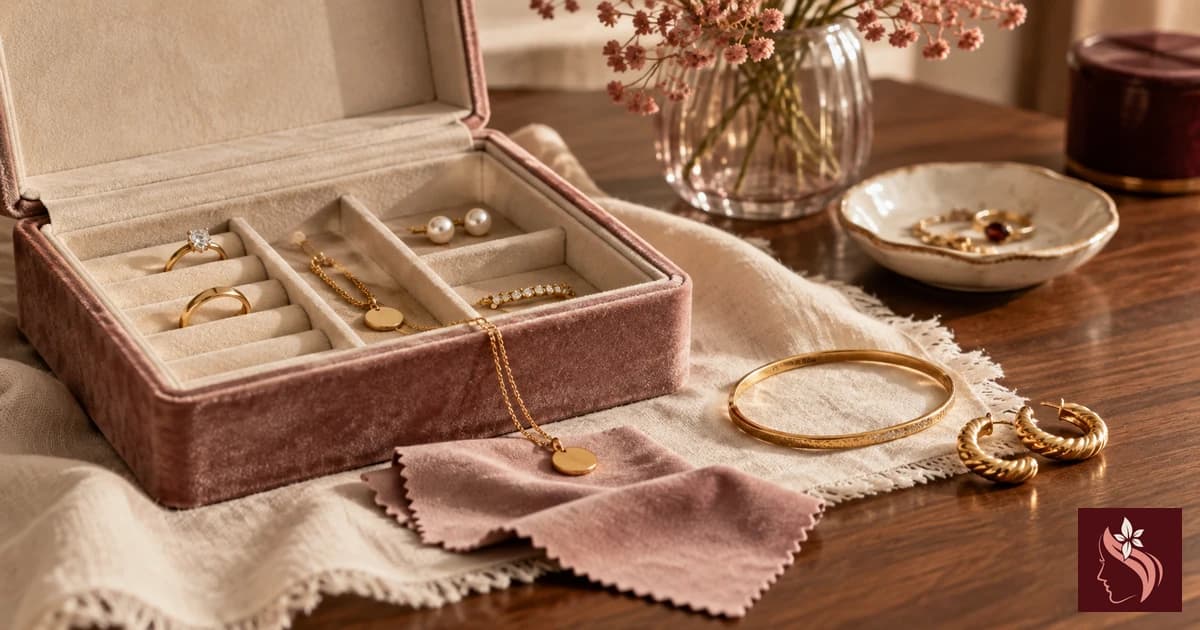
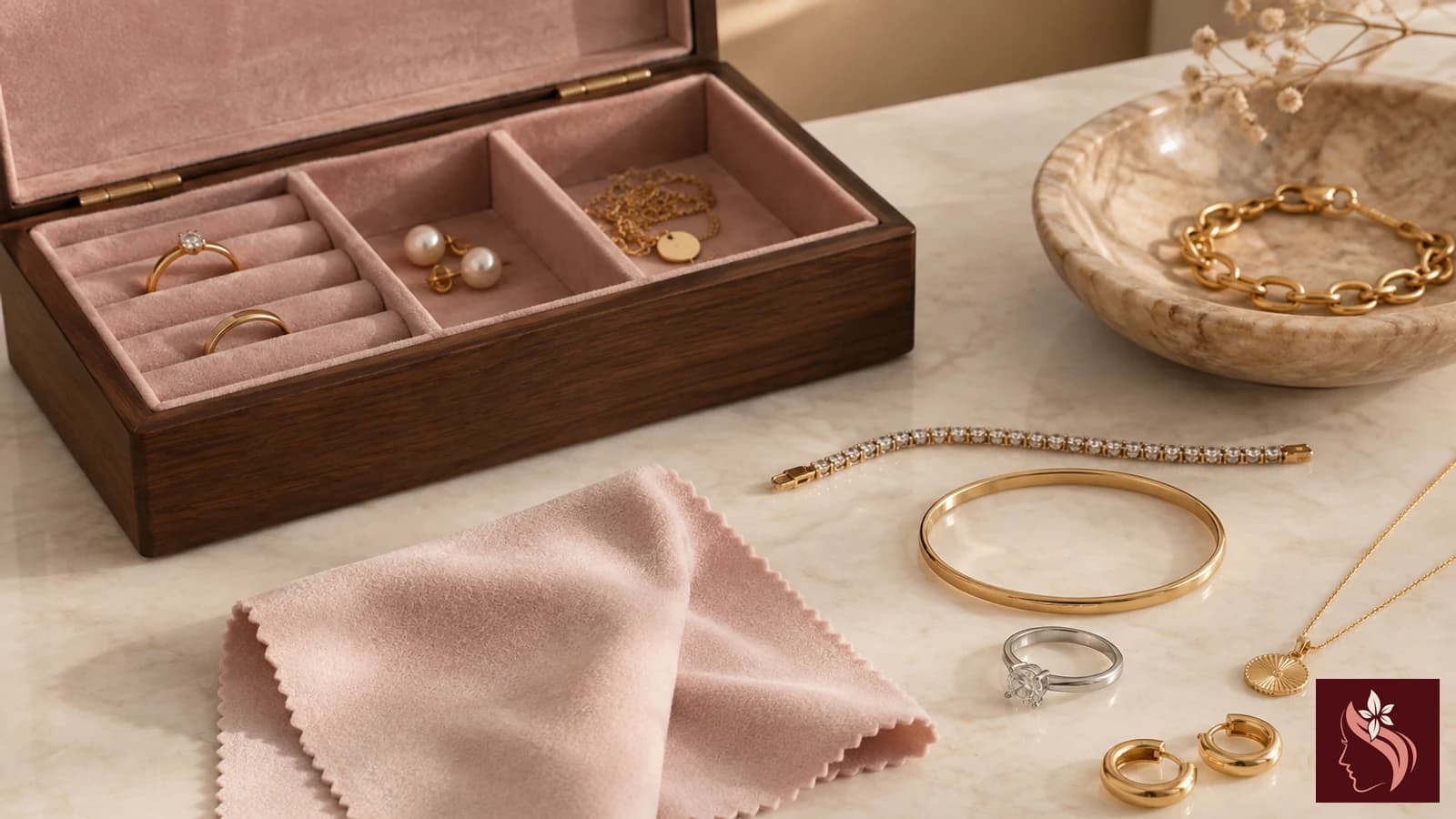
This article is a decision guide, not a universal cleaning recipe. The Gemological Institute of America (GIA) notes that gem treatments affect care and that some materials should not go into ultrasonic cleaners. Its guidance also explains why a professional jeweler may need to handle pieces whose construction or condition is uncertain. We use those primary gemological recommendations alongside maker-specific directions. A generated photo in this article is only an editorial illustration; it does not identify the objects’ composition or show that any method was tested on them. The product-testing box states our publication approach without claiming a hands-on test here.
Sources: gia.edu
Follow the maker’s exact instructions first
Find the care section for the exact piece or variant rather than a general FAQ for a whole brand. Check whether the maker tells you to remove the item before swimming, showering, exercise, applying cosmetics, or using household products. Look for any warning about polishing, soaking, temperature, steam, or ultrasonic cleaners. Preserve the wording and date you checked it. If the instructions conflict with a generic cleaning tip you saw elsewhere, prioritize the exact maker’s direction and ask customer service or a qualified jeweler when the item is valuable, treated, antique, or assembled from unknown materials.
An absence of instructions is not a signal to use the most popular method online. It is a reason to slow down and identify the materials or ask the seller. Avoid unverified recipes that recommend baking soda, toothpaste, vinegar, bleach, alcohol, ammonia, or a long soak across all jewelry. Abrasive particles can scratch a finish; chemicals may affect a stone, coating, solder, or metal; and vigorous brushing may catch a setting or strand. We are not asserting that every named household substance damages every piece. The point is that suitability depends on construction, so a product-specific instruction is safer than a universal claim.
Metals, plating, and finishes need different handling
For solid precious-metal items, the correct approach still depends on the item’s alloy, gemstones, surface finish, and construction. For plated jewelry, friction and harsh polishing can affect the surface layer, so do not assume that vigorous buffing is harmless. Gold-filled, vermeil, silver plate, and gold electroplate describe different constructions; check the material record and care instructions rather than using a single “gold jewelry” rule. FTC guidance is helpful for understanding the terms a seller uses, but it does not replace care instructions for the specific finished item.
Some jewelry carries a coating or a deliberately darkened, brushed, satin, or oxidized finish. A polishing cloth or abrasive can change that appearance even if it is sold for jewelry generally. If the surface is a key design feature, ask the maker whether the finish should be polished or simply wiped with a soft cloth. Use a clean, dry cloth only where the instructions allow it, and avoid pulling on delicate chains. Never infer a metal or coating from the color of a photo. If a finish is already lifting, ask the seller about service rather than trying to strip or replate it at home.
Sources: ftc.gov; consumer.ftc.gov
Gemstones and treatments can change the care decision
A gem name alone may not tell you everything you need to know. Natural, laboratory-created, or imitation stones may be treated, filled, coated, assembled, or set with adhesives. Treatments can affect how a material responds to heat, solvents, steam, or vibration. GIA specifically warns that many treated gems and several heat-sensitive or porous gems are unsuitable for ultrasonic cleaning. Its list includes examples such as pearls, coral, amber, opal, turquoise, and other stones, but no short list covers every variety, treatment, and setting. When the stone or treatment is unknown, do not experiment with a machine.
If the item came with a grading or identification report, read its treatment notes and care cautions; a report may describe the stone but does not automatically cover the metal, glue, or setting. For an heirloom, a delicate pavé design, a loose stone, or a repaired piece, ask a qualified jeweler to inspect the setting and recommend an appropriate method. GIA describes professional cleaning as a reasonable option when a piece needs specific expertise. That does not mean every item requires a paid service; it means you should match the method to the evidence and the value or condition of the piece.
Sources: gia.edu
Pearls, strands, and organic materials call for extra caution
Pearls are softer than many common jewelry materials and can be affected by scratches, heat, and chemicals. GIA advises wiping pearl jewelry after wear, protecting it from perfumes and other harsh products, and avoiding ultrasonic or steam cleaners. If the maker gives a more specific direction for a treated or assembled item, follow it. A strand also has thread or wire that can age, stretch, or require inspection. Do not soak a knotted strand or pull it taut to dry without checking the maker’s advice; the cleaning method is only one part of caring for the piece.
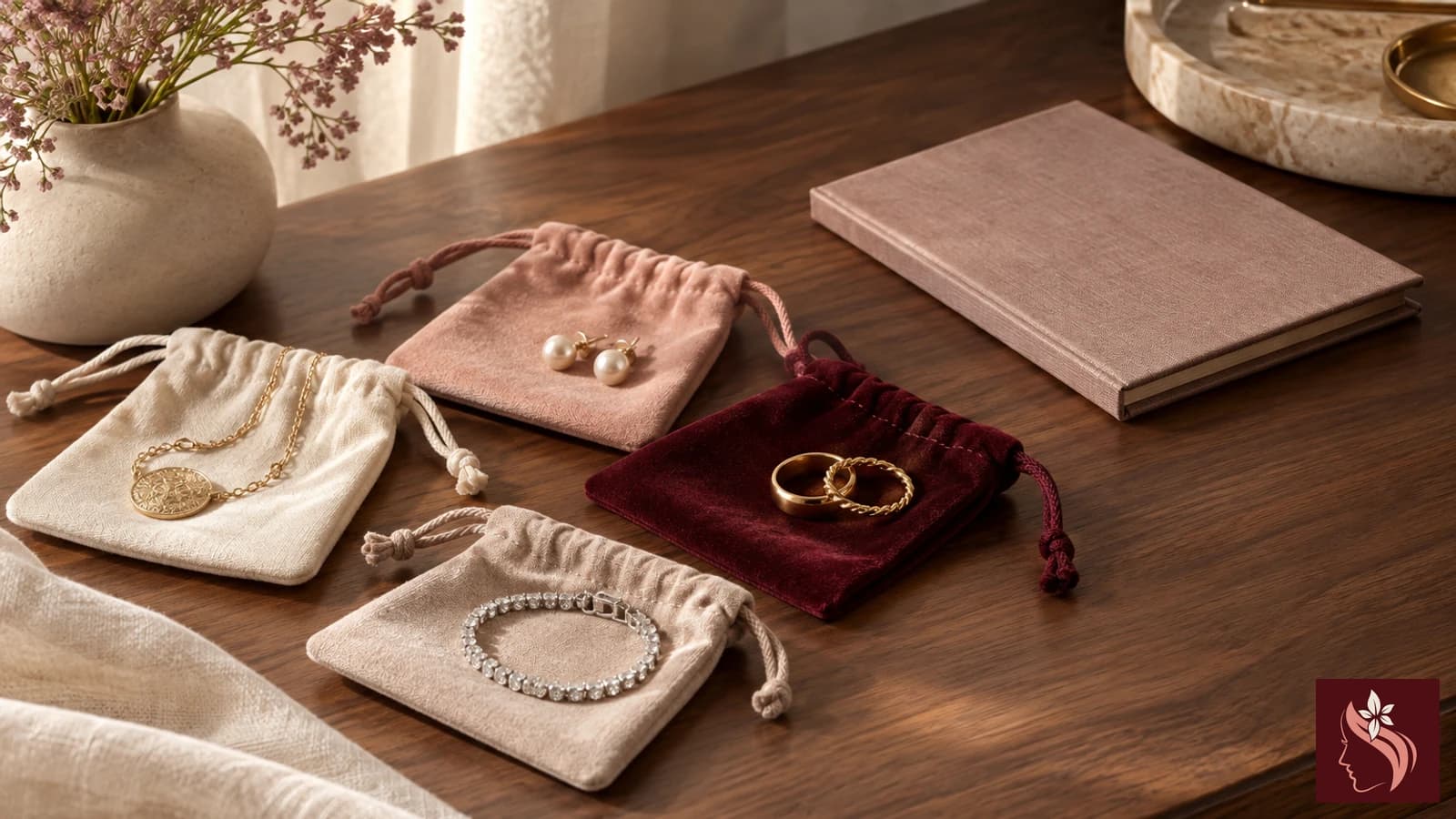
Store pearls away from rough or sharp jewelry and avoid leaving them in hot, dry conditions. A soft pouch or separated compartment reduces rubbing, but storage advice should still reflect the item and its maker’s instructions. Do not apply perfume or hairspray directly to a strand, and allow cosmetics to settle before putting it on if that matches the care instructions. These steps are not a guarantee against damage, nor do they restore an already scratched or chemically altered surface. If color, luster, coating, or thread condition changes, ask the seller or a pearl specialist before trying to correct it yourself.
Sources: gia.edu
Choose storage that prevents contact and tangling
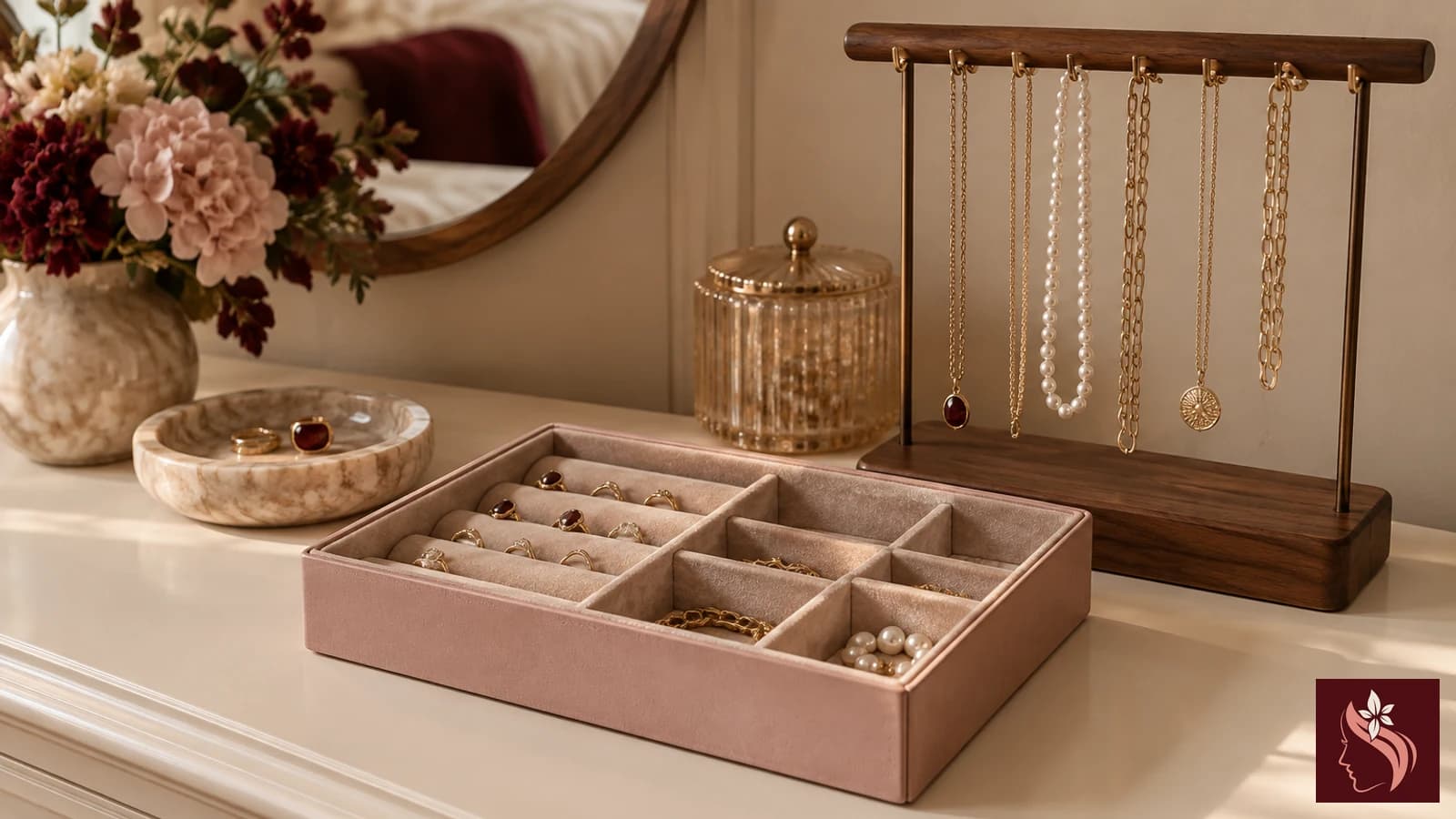
A useful jewelry-storage setup separates pieces that can scratch, snag, or tangle. Close clasps before storing chains, give necklaces their own hook or compartment, and keep earrings paired in a small section so posts do not rub against stones. A fabric-lined box or soft pouch may help protect a piece from contact with other items, but the inside material and humidity guidance should be suitable for the jewelry. Keep the storage location away from heat, moisture, direct sunlight, and household cleaners when the maker’s guidance calls for it.
Travel cases should hold items securely without forcing a clasp, bending a delicate setting, or compressing a strand. For jewelry you wear often, make a short routine: remove it in a safe place, wipe it only if its care instructions allow, and return it to a dedicated compartment. This reduces the chance of leaving a ring beside a sink or finding a fine chain knotted with another necklace. These are organization habits, not preservation guarantees. For valuable pieces, document the item and its material record separately from the storage case so that the information remains available if the packaging is lost.
A material-to-care decision checklist
Before using any method, answer five questions: What are the disclosed metals? Is the item plated, coated, filled, oxidized, or otherwise finished? What gemstones and treatments are present? Does it include thread, adhesive, enamel, or delicate settings? What does the exact maker say about cleaning and storage? If one answer is unknown, the safe action is not to guess. Keep the piece dry and separated until you can verify its construction or get advice. A listing photo, influencer demonstration, or generic jewelry-cloth label cannot reveal every relevant component of your piece.
For a low-risk routine explicitly allowed by the maker, gather only the supplies named in the instructions, work over a towel or bowl rather than an open drain, and avoid pulling or pressing on settings. Stop if a stone moves, a finish changes, or the piece reacts unexpectedly. Dry the item as instructed before storage. Do not use a method on a second piece merely because it worked on the first; the materials may differ. This process is deliberately cautious because a short label check can prevent an avoidable mistake and gives you a clear question to take to the seller or jeweler.
Conclusion
Jewelry care is most useful when it follows the exact materials, treatments, assembly, and maker instructions for the piece in front of you. Identify what you can, look up what you cannot, and avoid applying one cleaner or machine to every item. Separate delicate pieces in storage, keep records with the product, and consult a qualified jeweler when the construction or condition makes home care uncertain. The result is not a promise that jewelry will remain unchanged; it is a more informed way to reduce unnecessary exposure and choose a care method supported by the available evidence.
Frequently Asked Questions
Can I put all jewelry in an ultrasonic cleaner?
No. GIA warns that some gems, treatments, settings, and organic materials can be damaged by ultrasonic cleaning. Identify the exact piece and follow its maker’s instructions; ask a jeweler if uncertain.
Can I clean plated jewelry with a polishing cloth?
Do not assume every cloth is suitable for every finish. Check the maker’s instructions because abrasive or repeated polishing may affect a plated or specially finished surface.
How should I store pearls?
GIA recommends protecting pearls from harsh chemicals and rough contact, wiping them after wear, and storing them in a soft pouch or case. Follow the specific maker’s instructions for treated or strung pieces.
What should I do when I do not know a jewelry material?
Pause before cleaning it. Check the product record or ask the seller or a qualified jeweler to identify the material and suitable care method.
Sources
- gia.edu (checked 2026-10-28)
- gia.edu (checked 2026-10-28)
- ftc.gov (checked 2026-10-28)
- consumer.ftc.gov (checked 2026-10-28)